How to Choose the Right Septic Contractor in Central Virginia
Written by the licensed professionals at RVA Site Services- proudly serving Amelia, Chesterfield, Powhatan, and Central Virginia.

Hiring a septic contractor is an important decision. Learn what to look for, which questions to ask, and how to confidently compare contractors before choosing who will work on your property.
Choosing a Septic Contractor Starts With Asking the Right Questions
Whether you're dealing with an existing septic problem, planning a new system, or preparing for work on a recently purchased property, choosing the right contractor can have a lasting impact on your septic system and your property.
Not every septic project requires the same experience, equipment, or approach. A contractor who primarily handles routine pumping may not be the right choice for a complex system repair or new installation. That's why it's important to understand the type of work you need and evaluate contractors based on their qualifications, experience, communication, and ability to handle the project properly.
Before hiring a septic contractor, take the time to ask questions, compare your options, and understand exactly what is included in the proposed work. The following factors can help you make a more informed decision and avoid costly problems later.
1. Make Sure the Contractor Handles the Septic Work You Need
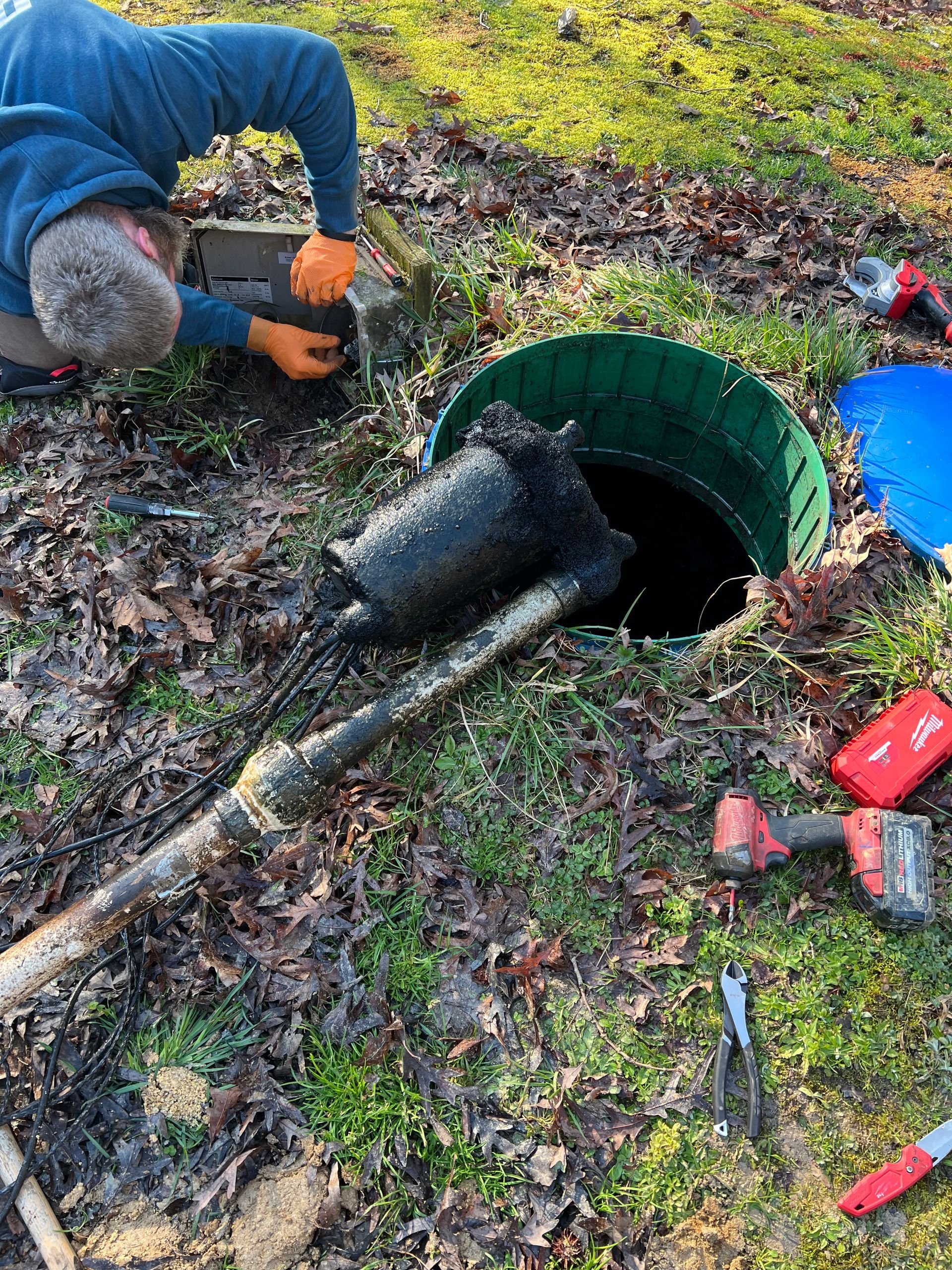
Septic contractors can offer very different services, so one of the first questions to ask is whether the company regularly performs the type of work your property requires.
Routine septic tank pumping, for example, is very different from diagnosing a failing system, repairing damaged components, replacing a drainfield, or installing a new septic system. Larger projects may also require excavation, site preparation, specialized equipment, and coordination with local permitting or inspection requirements.
Before requesting an estimate, explain the problem you're experiencing or the work you're planning as clearly as possible. Ask whether the contractor routinely handles similar projects and whether additional professionals or subcontractors may be involved.
A contractor should also be willing to explain why a particular service is being recommended. If you're experiencing slow drains, sewage backups, standing water, odors, or other septic problems, the solution shouldn't automatically be the most expensive option. Properly identifying the cause of the problem should come before deciding whether the system needs pumping, repair, or more extensive work.
2. Verify Licensing, Insurance, and Qualifications
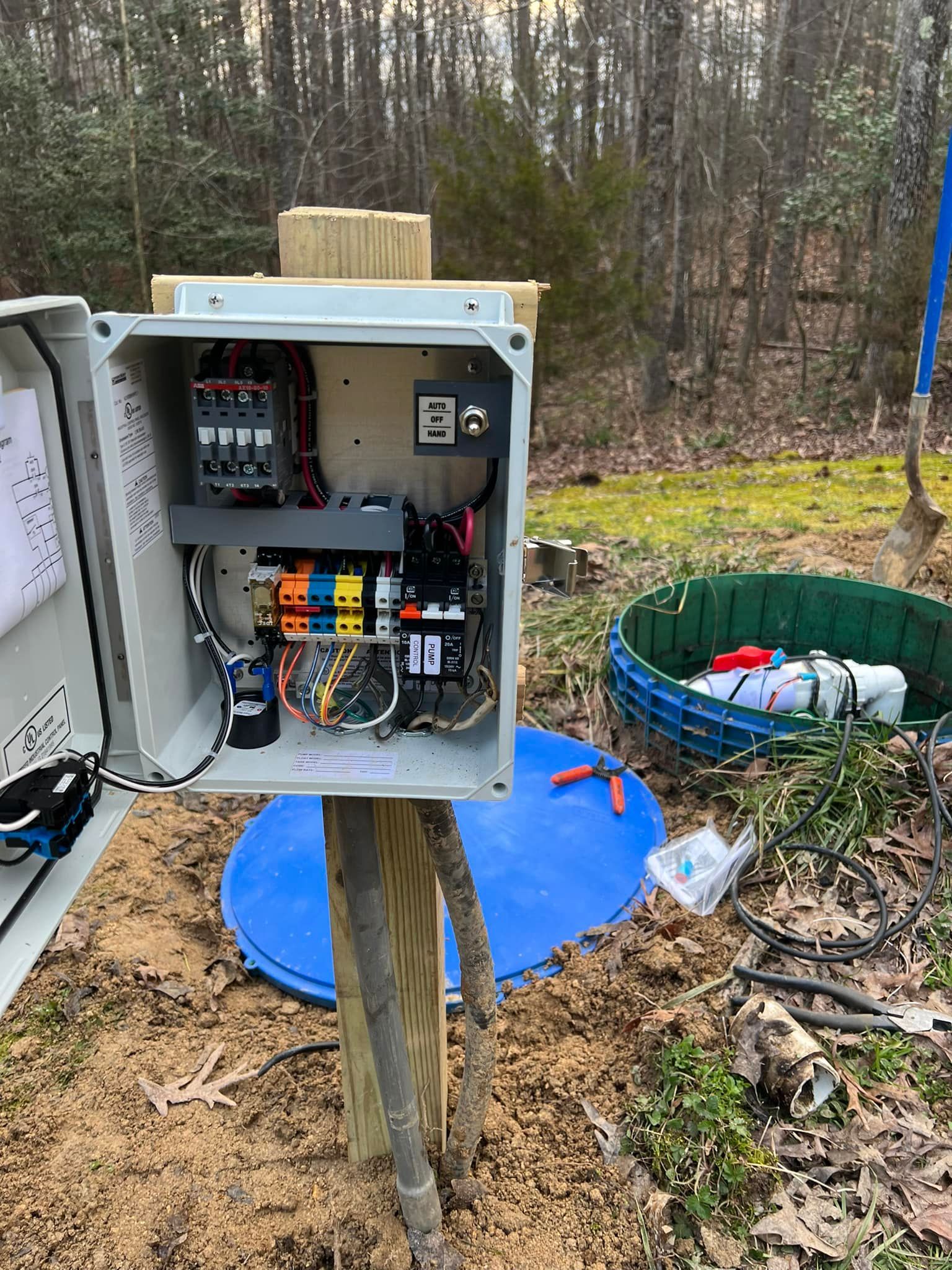
Before hiring a septic contractor, take a few minutes to verify that the company has the appropriate credentials for the work being performed. Septic projects can involve wastewater systems, excavation, heavy equipment, and significant work on your property, making proper qualifications and insurance especially important.
Ask the contractor about their licensing, insurance coverage, and experience with the specific type of septic work you need. For larger projects, you should also understand who will be performing the work and whether other professionals will be involved.
Requirements can vary depending on the type of septic project and local regulations, so don't hesitate to ask how permits, inspections, or other approvals will be handled. An experienced contractor should be able to clearly explain the process and identify which responsibilities belong to the contractor and which may involve the property owner or local authorities.
Be cautious if a contractor is unwilling to discuss credentials, avoids questions about insurance, or cannot clearly explain how required permits and inspections will be addressed. Taking the time to verify these details before work begins can help prevent unnecessary complications later.
3. Look for Experience With Septic Systems in Your Area
Local experience can be valuable when choosing a septic contractor because properties, soil conditions, system designs, and permitting requirements can vary from one area to another.
A contractor who regularly works throughout Central Virginia is more likely to have encountered a variety of septic systems and property conditions. That experience can be especially helpful when diagnosing an existing problem or planning a project that involves excavation, drainage, grading, or difficult access.
Ask potential contractors how familiar they are with your area and whether they have completed similar projects nearby. For larger repairs or new installations, it can also be helpful to ask about projects involving properties with conditions similar to yours.
Local experience alone shouldn't determine who you hire, but when combined with proper qualifications, clear communication, and relevant septic expertise, it can provide additional confidence that the contractor understands the challenges your project may involve.
4. Ask How the Problem Will Be Diagnosed
Septic problems can have similar symptoms but very different causes. Slow drains, unpleasant odors, sewage backups, standing water, or unusually wet areas near the drainfield don't automatically mean the entire septic system has failed.
Before agreeing to a major repair or replacement, ask how the contractor plans to determine what's actually causing the problem. Depending on the situation, the evaluation may involve checking the tank, examining accessible components, looking for signs of backups or drainage problems, and considering the condition and history of the overall system.
A trustworthy contractor should be able to explain what they found, why they believe a particular repair or service is necessary, and what options may be available. If a significant repair or replacement is recommended, don't be afraid to ask what evidence led to that recommendation.
Be cautious of anyone who immediately recommends extensive work without first gathering enough information to understand the problem. A proper diagnosis can help avoid unnecessary repairs while making sure the underlying issue is actually addressed.
5. Get a Clear, Detailed Estimate Before Work Begins
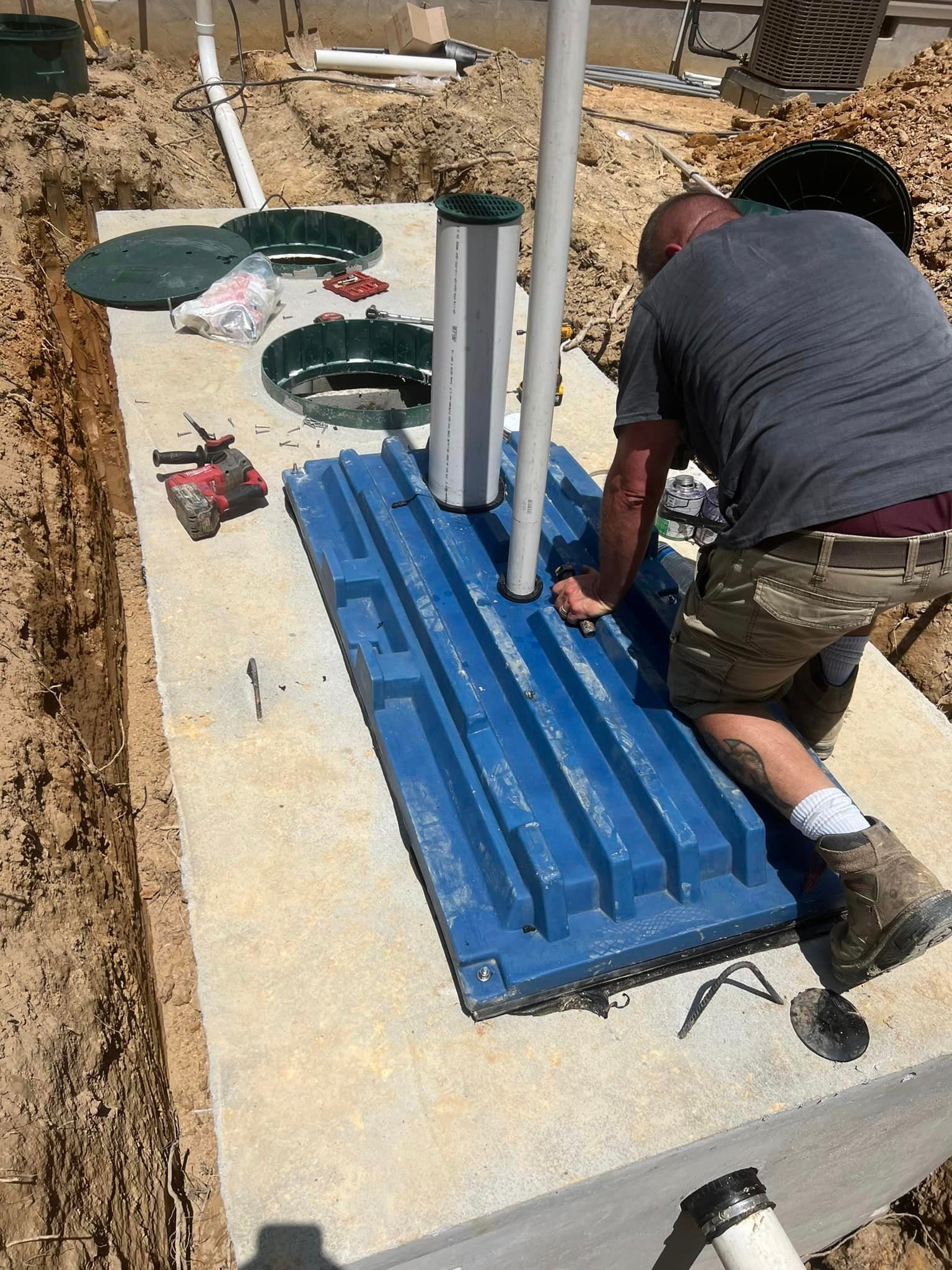
A septic estimate should give you more information than a single total at the bottom of the page. Before approving the work, make sure you understand what the proposed price includes and what could result in additional charges.
For larger repairs, replacements, or installations, ask about labor, materials, equipment, excavation, disposal, permits, inspections, and any restoration work that may be required after the project is completed. If some costs cannot be determined until work begins, the contractor should explain those possibilities in advance.
When comparing estimates, look at the scope of work as well as the price. Two contractors may provide very different estimates because they are proposing different materials, equipment, repairs, or levels of site restoration.
The lowest estimate isn't always the best value, just as the highest estimate doesn't necessarily guarantee better work. A good proposal should clearly explain what you're paying for and give you enough information to compare your options confidently.
6. Ask About Equipment, Excavation, and Property Restoration
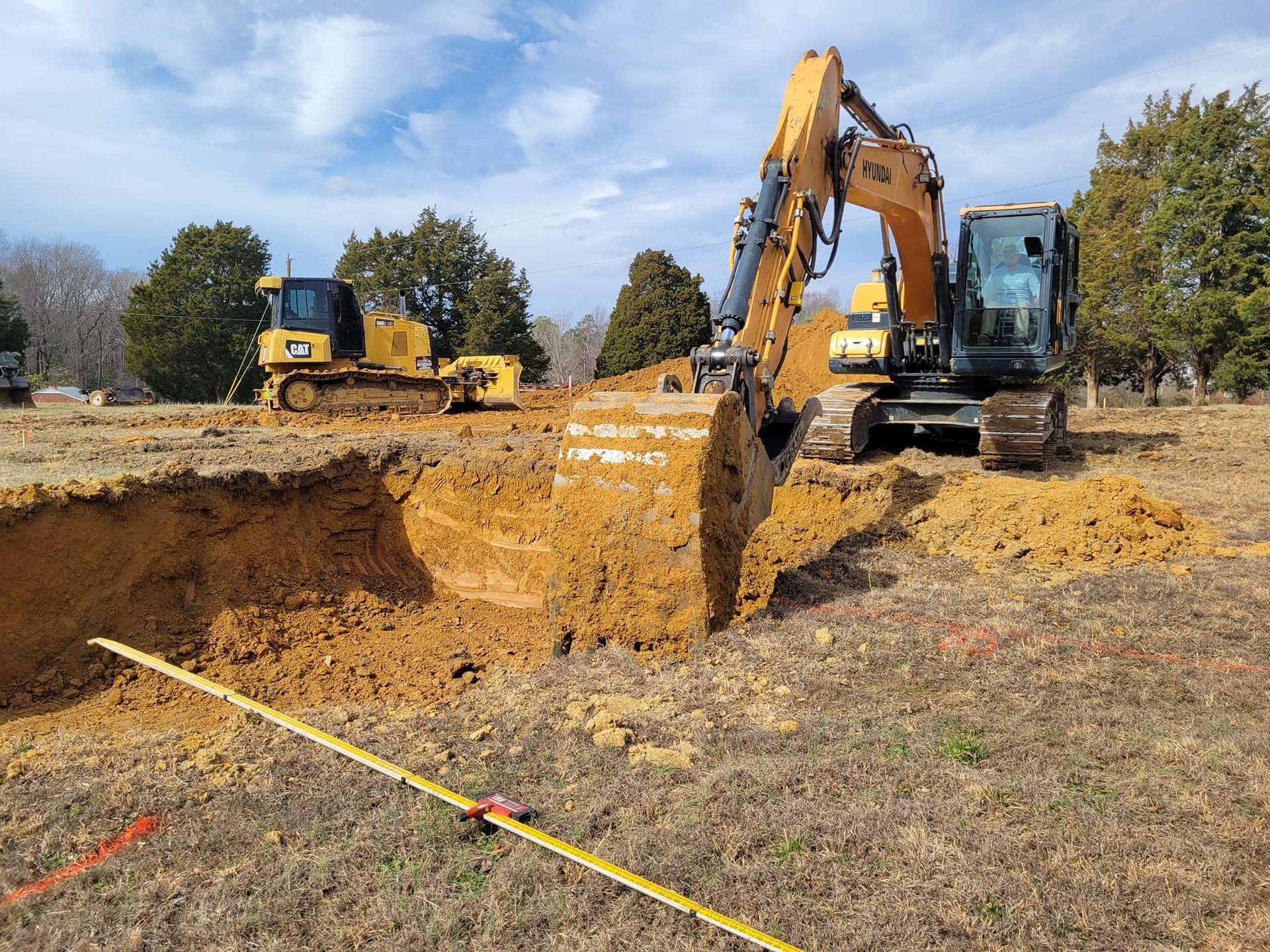
Many septic projects involve more than working on the tank itself. Repairs, system replacements, and new installations may require excavation, heavy equipment, access across the property, and disturbance to lawns or other landscaped areas.
Before work begins, ask what equipment will be needed and which areas of the property may be affected. A contractor should be able to explain how equipment will access the work area, approximately how much excavation may be required, and what condition you can expect the property to be in when the project is finished.
Property restoration is another detail worth discussing in advance. Ask whether backfilling, grading, soil stabilization, or other restoration work is included in the estimate and whether additional landscaping will be the homeowner's responsibility.
Understanding these details beforehand can prevent surprises once the septic work is complete and help you compare contractors based on the entire project rather than the septic work alone.
7. Pay Attention to Communication and Professionalism
Good communication matters throughout any septic project, especially when the work involves diagnosing a problem, coordinating excavation, or making decisions that could affect the cost and scope of the job.
Pay attention to how clearly a contractor answers your questions from the beginning. They should be willing to explain the recommended work in understandable terms, discuss the expected timeline, and tell you who to contact if questions arise during the project.
For larger septic projects, ask how unexpected conditions will be handled. Excavation can sometimes reveal problems that weren't visible beforehand, so it's helpful to know how the contractor will communicate changes and obtain approval before performing additional work.
Professionalism also includes showing up when expected, respecting the property, providing clear documentation, and keeping the customer informed. A contractor doesn't need to overwhelm you with technical terminology—a good one should help you understand what's happening and why.
8. Check Reviews, References, and Previous Work
Online reviews can provide useful insight into what it's actually like to work with a septic contractor, but don't focus on the star rating alone. Read through recent reviews and look for patterns in what customers say about communication, reliability, workmanship, pricing, and how problems were handled.
For larger septic repairs or installations, consider asking whether the contractor can provide examples of similar projects. Photos, project descriptions, or references can help demonstrate experience with the type of work your property requires.
Pay particular attention to reviews involving services similar to yours. A company may have excellent feedback for routine septic pumping, for example, but that doesn't necessarily demonstrate experience with a complex system replacement or excavation project.
No contractor will necessarily have perfect feedback, so consider the overall pattern rather than a single review. Consistent comments about quality work, clear communication, and dependable service can be more informative than the rating by itself.
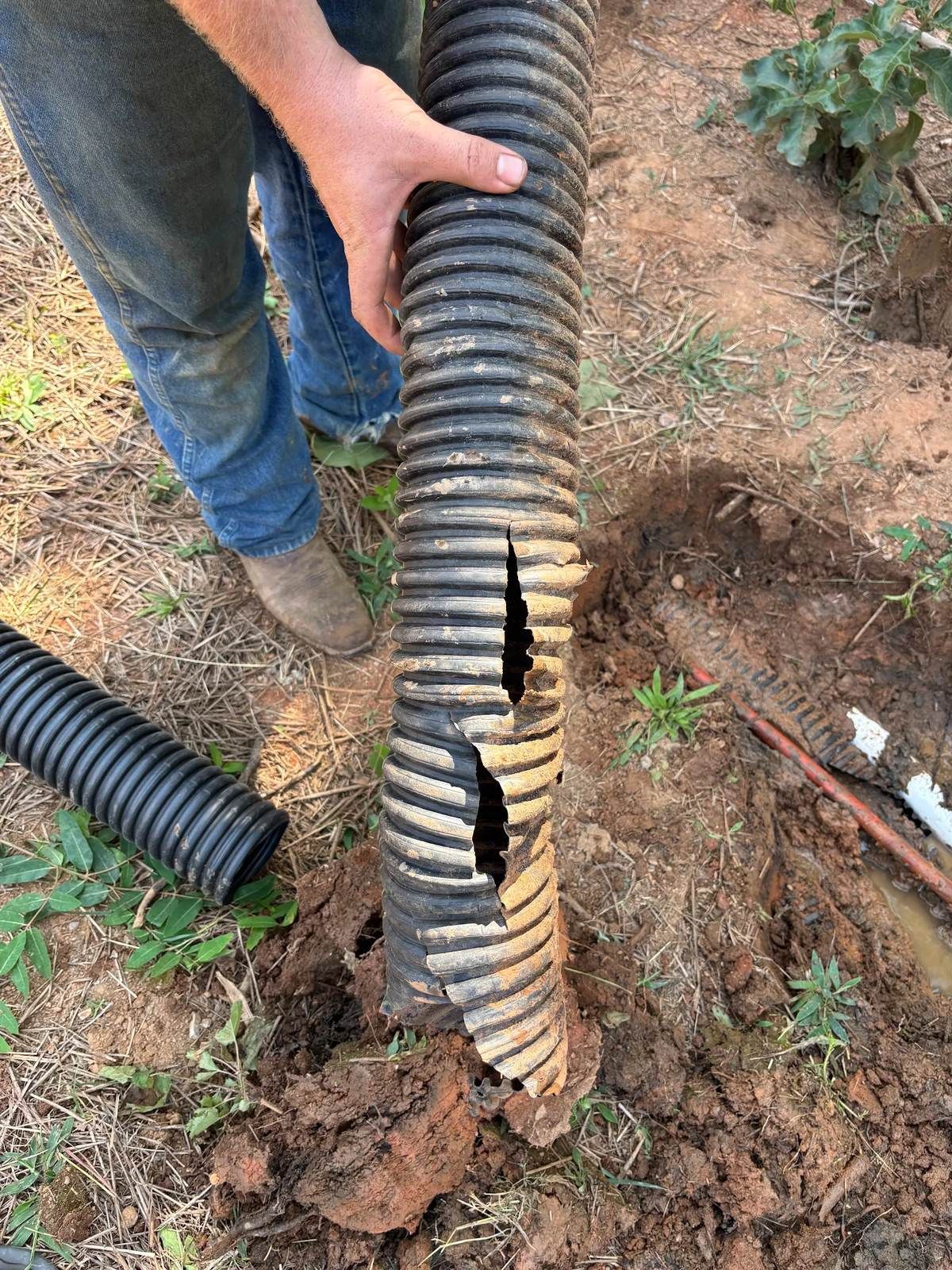
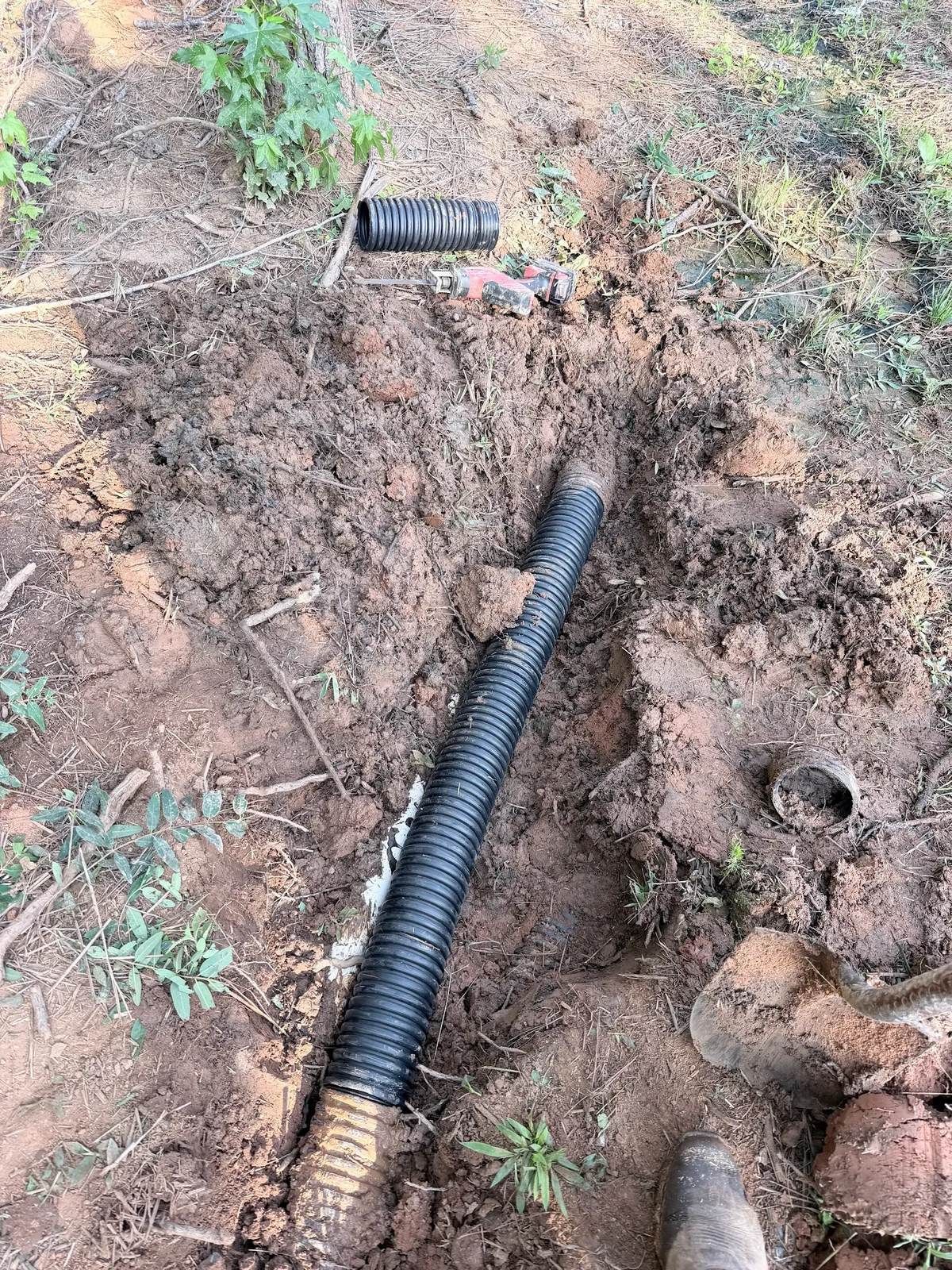
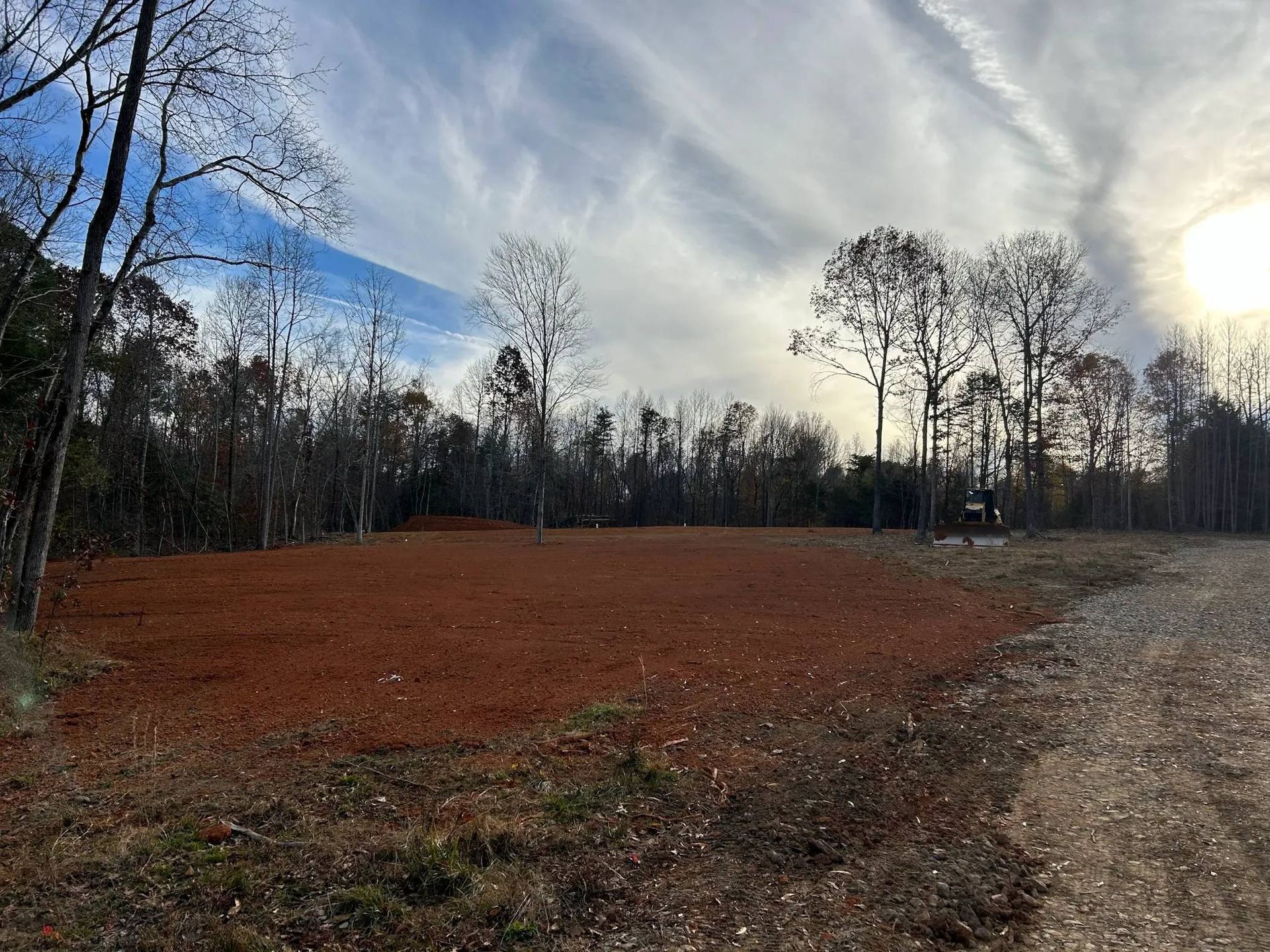

9. Know the Red Flags Before You Hire
Knowing what to avoid can be just as important as knowing what to look for when choosing a septic contractor. Watch for warning signs during the estimate and hiring process, including:
🚩
Recommending major work without a proper evaluation
Septic problems can have several possible causes. Be cautious if a contractor immediately recommends an expensive repair or complete replacement without first gathering enough information to understand the problem.
🚩
Pressuring you to make an immediate decision
A legitimate emergency may require quick action, but you should still receive a clear explanation of the problem, recommended solution, and expected cost.
🚩
Providing a vague estimate
You should understand what you're paying for. Be cautious of estimates that don't clearly explain the proposed work, materials, equipment, or other significant costs.
🚩
Avoiding questions about licensing or insurance
A contractor should be willing to discuss the credentials and insurance applicable to the work they're proposing.
🚩
Being unclear about permits and inspections
For projects where permits, inspections, or other approvals are required, you should understand how they'll be handled and who is responsible for coordinating them.
🚩
Adding significant costs without discussing them first
Unexpected conditions can arise during septic and excavation work, but the contractor should communicate those discoveries and explain additional work before proceeding whenever possible.
🚩
Making promises that sound too good to be true
Be cautious of guarantees or unusually low prices that aren't supported by a clear explanation of the work being performed.
If a contractor won't answer reasonable questions, explain the proposed work, or provide clear information about what you're paying for, consider getting another opinion before moving forward.
10. Questions to Ask a Septic Contractor Before Hiring
Before choosing a septic contractor, ask a few questions to better understand their experience, approach, and what you can expect if you hire them.
✅
Do you regularly perform the type of septic work I need?
Ask about experience with projects similar to yours, whether that's routine pumping, troubleshooting, repairs, system replacement, or a new installation.
✅
What licenses, qualifications, and insurance do you carry?
Make sure the contractor has the appropriate credentials and insurance for the type of work being proposed.
✅ How will you determine what's causing the problem?
A contractor should be able to explain how the system will be evaluated before recommending a significant repair or replacement.
✅
Can you explain the recommended solution and my options?
You should understand what work is being proposed, why it's necessary, and whether reasonable alternatives are available.
✅
What exactly is included in the estimate?
Ask about labor, materials, equipment, excavation, disposal, permits, inspections, and property restoration when applicable.
✅
Will permits or inspections be required?
If they are, find out who will be responsible for coordinating them and whether those costs are included in the estimate.
✅
Will excavation or heavy equipment be needed on my property?
Ask where equipment will enter the property, what areas may be disturbed, and approximately how much excavation the project could require.
✅
What happens to the property when the septic work is finished?
Clarify whether backfilling, grading, soil stabilization, cleanup, or other restoration work is included.
✅
How will unexpected problems or additional costs be handled?
Ask how you'll be notified if something unexpected is discovered and whether additional work will require your approval before proceeding.
✅
Can you show me examples of similar projects you've completed?
Photos, project descriptions, reviews, or references can help demonstrate experience with work similar to what your property requires.
You don't need to be a septic expert to ask good questions. A qualified contractor should be comfortable explaining the project in understandable terms and giving you enough information to make an informed decision.
Making Your Final Decision
Choosing the right septic contractor doesn't necessarily mean hiring the company with the lowest estimate, the most reviews, or the fastest availability. The goal is to find a contractor with the right experience for your project who communicates clearly and provides a solution you understand.
Before making your decision, compare the scope of each estimate, consider the contractor's qualifications and experience, and make sure your questions have been answered. For larger repairs, replacements, or installations, taking a little extra time to compare your options can be worthwhile.
You should feel comfortable with both the proposed work and the contractor performing it. When the scope, pricing, responsibilities, and expectations are clear before work begins, you're in a much better position to make an informed decision about your septic system and your property.
Need Septic Service in Central Virginia?
If you've done your research and are ready to speak with a septic contractor, RVA Site Services provides septic services for homeowners and property owners throughout Central Virginia.
Our services include septic system installation, septic repair, routine septic pumping, emergency septic pumping, and excavation for projects that require more extensive site work.
Whether you're dealing with an existing septic problem or planning a larger project, our team can evaluate your needs, explain the available options, and help you determine the appropriate next step.
Have questions about your septic system? Contact RVA Site Services to discuss your property and schedule service.
Frequently Asked Questions About Hiring a Septic Contractor
How do I know if a septic contractor is qualified?
How do I know if a septic contractor is qualified?
Describe the item or answer the question so that site visitors who are interested get more information. You can emphasize this text with bullets, italics or bold, and add links.
Should I get multiple estimates for septic work?
For major repairs, system replacements, or new installations, getting more than one estimate can help you compare pricing and the proposed scope of work. Make sure you're comparing what each estimate actually includes rather than looking only at the final price.
What should be included in a septic estimate?
The estimate should clearly describe the proposed work and associated costs. Depending on the project, this may include labor, materials, equipment, excavation, disposal, permits, inspections, backfilling, grading, and other property restoration.
When should I get a second opinion on a septic problem?
Consider getting another opinion if you're being advised to make a major repair or replace a septic system but don't understand why the work is necessary. A contractor should be able to explain what was found and why the recommended solution is appropriate.
Is septic pumping the same as septic repair?
No. Septic pumping removes accumulated waste from the tank as part of routine maintenance or to address certain immediate conditions. Septic repair involves correcting a problem with the system or its components. If you're experiencing recurring backups, drainage problems, odors, or wet areas, identifying the underlying cause is important rather than assuming pumping alone will solve the problem.
Ready to Talk About Your Septic Project?
Whether you need routine septic service, help diagnosing a problem, or you're planning a larger septic project, RVA Site Services is here to help.
Serving homeowners and property owners throughout Central Virginia, our team provides experienced septic and excavation services with clear communication from the initial conversation through project completion.
Have questions about your septic system? Contact RVA Site Services today to discuss your property and request service.