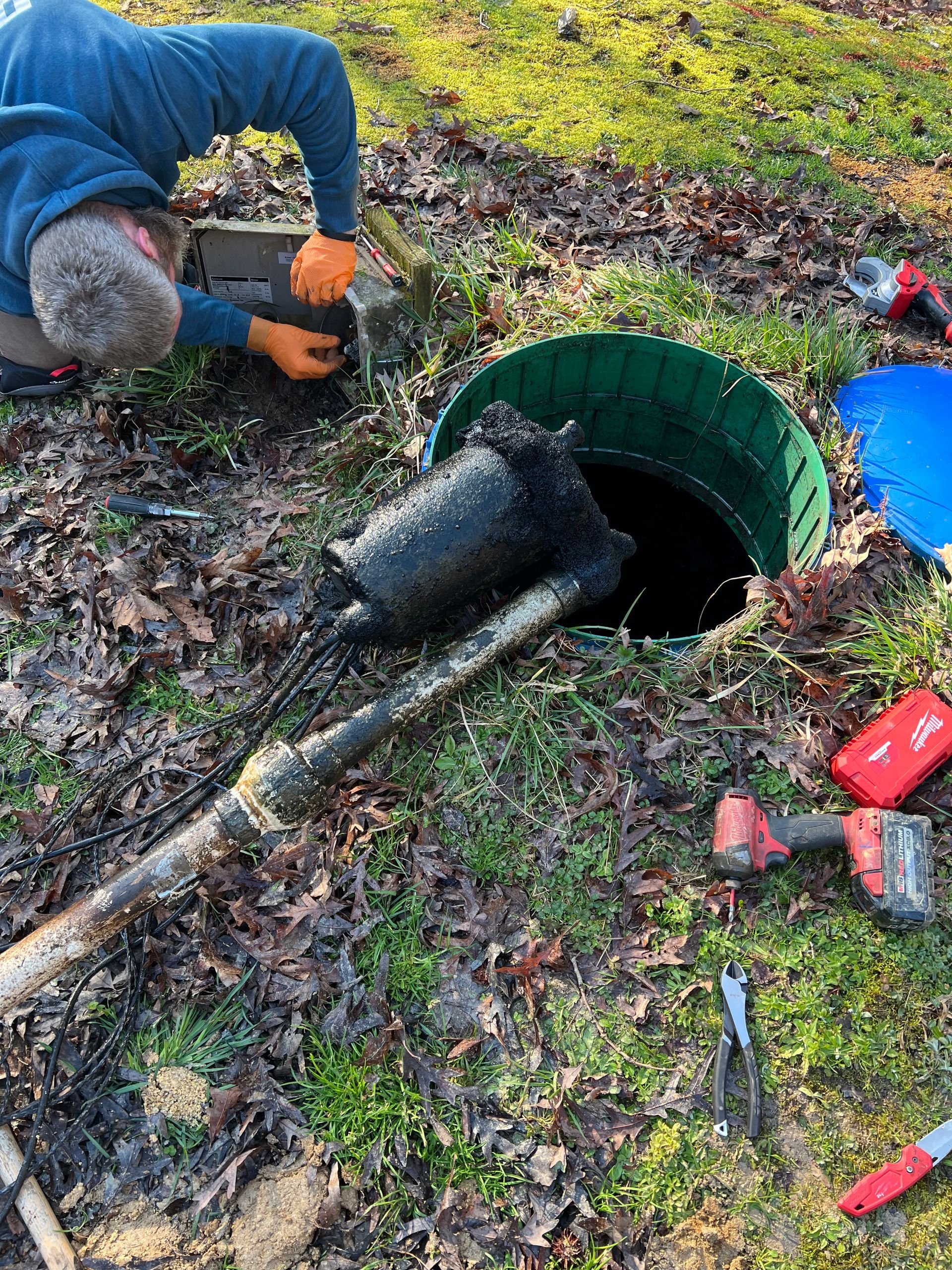
Homeowner's Guide to Septic System Installation in Richmond, VA
Written by the licensed professionals at RVA Site Services - proudly serving Amelia, Chesterfield, Powhatan, and Central Virginia.
If you’re a homeowner in Richmond, VA—or anywhere in the surrounding counties—you’ve likely heard at least one neighbor mention septic issues, drain field problems, or the cost of installing a new system. Septic systems aren’t flashy, but they’re one of the most important parts of your home’s infrastructure, especially if you’re outside city sewer lines.
At RVA Site Services, we’ve spent more than 20 years installing, repairing, pumping, and maintaining septic systems across Greater Richmond. This guide breaks down everything a homeowner needs to know before starting a septic installation project—types of systems, costs, permits, timelines, and how the whole process works from start to finish.
Whether you're building a home, replacing a failing system, or just preparing for the future, this is your go-to resource.

In This guide
✓ Types of septic systems
✓ Site and soil considerations
✓ The installation process
✓ Costs and timelines
✓ When replacement may be necessary
What Is a Septic System and Why Do You Need One?
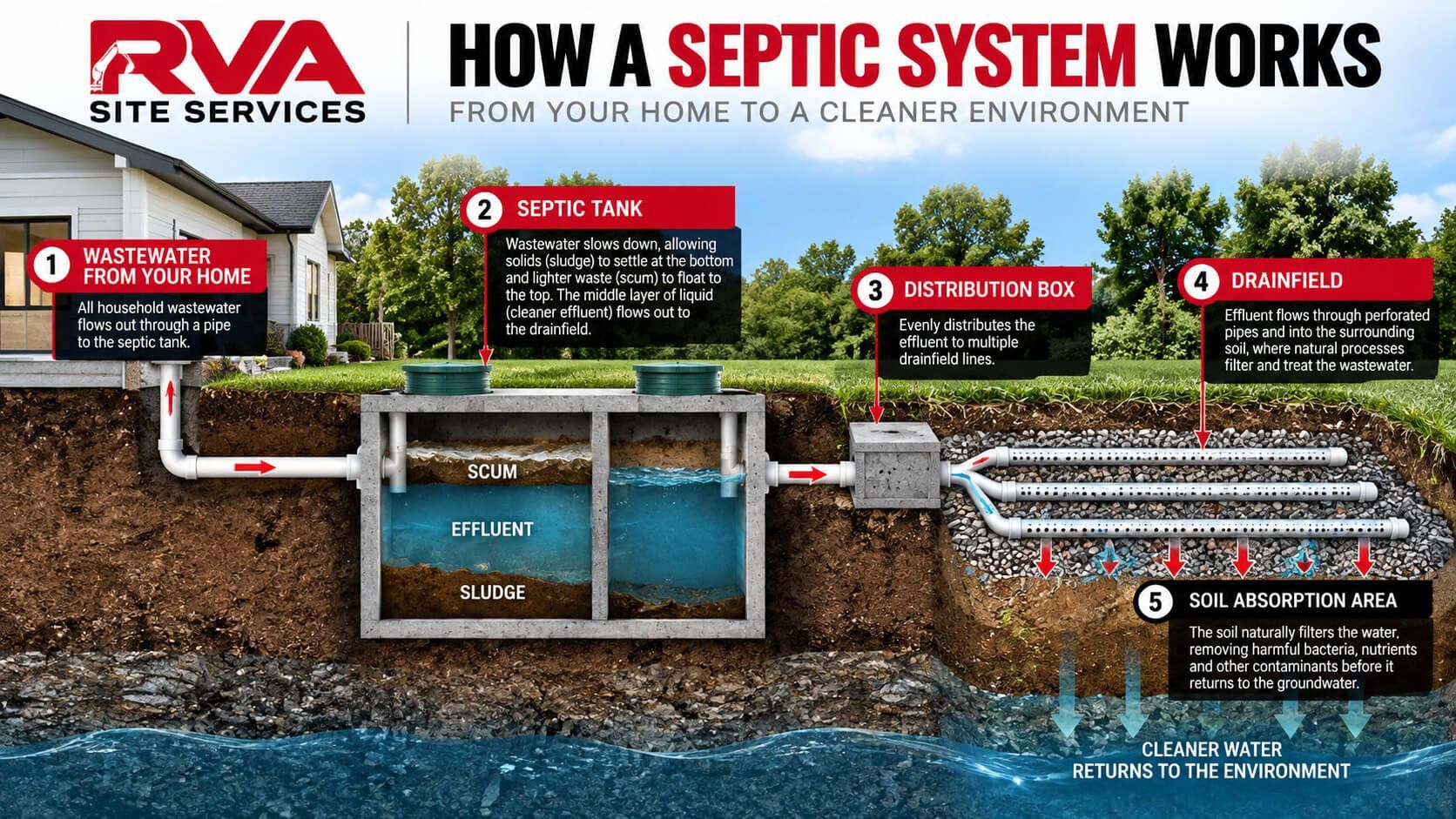
A septic system treats wastewater from your home when you don’t have access to a municipal sewer connection. Every time you flush a toilet, run a washing machine, or take a shower, that wastewater needs to go somewhere—and your septic system handles it onsite.
A complete system includes:
- A
septic tank
- A
drain field (leach field)
- Distribution lines
- Soil absorption area
- Optional pumps or treatment units
Soil conditions, property layout, drainage characteristics, available space, and site requirements can vary significantly throughout Richmond and Central Virginia. Because every property is different, the appropriate septic system should be based on the conditions and requirements of the individual site.
Types of Septic Systems Used in Richmond, VA
Every property is different, so not all systems work everywhere. Here are the main options in our area:
1. Conventional Gravity septic system
This is the most common system:
- Requires good soil drainage
- Uses gravity to move wastewater
- Lower maintenance
- Ideal for neighborhoods with ample yard space
2. Aerobic Septic system
Aerobic treatment systems may be used when site conditions or system requirements call for an alternative to a conventional gravity system.
- Uses oxygen to break down waste faster
- Requires electricity
- Has mechanical parts
3. Alternative/Advanced Septic Systems
Some properties may require an alternative or advanced septic system based on soil conditions, available space, system design, property characteristics, or other site-specific requirements.
Depending on the property and approved system design, options may include:
- Sand mound systems
- Pressure-dosed systems
- Drip dispersal systems
- Aerobic Treatment Units (ATUs)
The appropriate system should be determined based on the conditions of the individual property and applicable design and permitting requirements.
Step-by-Step: How Septic System Installation Works in Richmond, VA
Many homeowners think tanks are just buried underground and connected to pipes. The truth is far more detailed.
Here’s what actually happens:
1. Site Evaluation & Soil Considerations
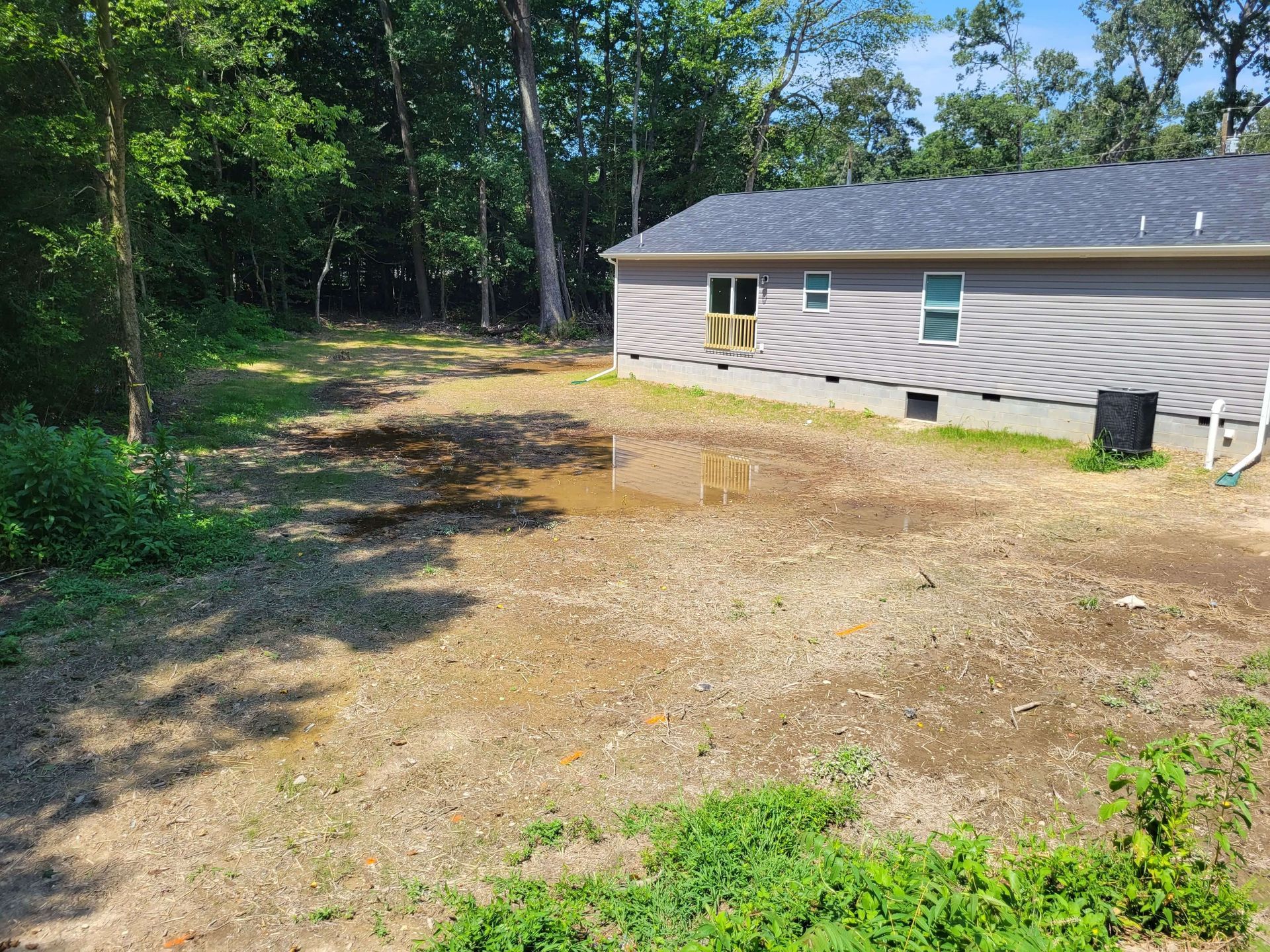
Before a septic system can be installed, the property must be evaluated to determine what type of system may be appropriate. Depending on the project and local requirements, the evaluation may consider:
- Soil characteristics
- Drainage conditions
- Seasonal water table
- Property slope
- Available space
- Required drainfield area
These conditions help determine the type, size, and placement of the septic system.
2. Septic System Design & Approvals
The septic system design establishes important project details such as tank size, drainfield layout, distribution components, elevations, and whether pumps or other treatment components are required.
Design, permitting, and approval requirements can vary depending on the property, system type, and local jurisdiction. Homeowners should understand which professionals and approvals are required before installation begins.
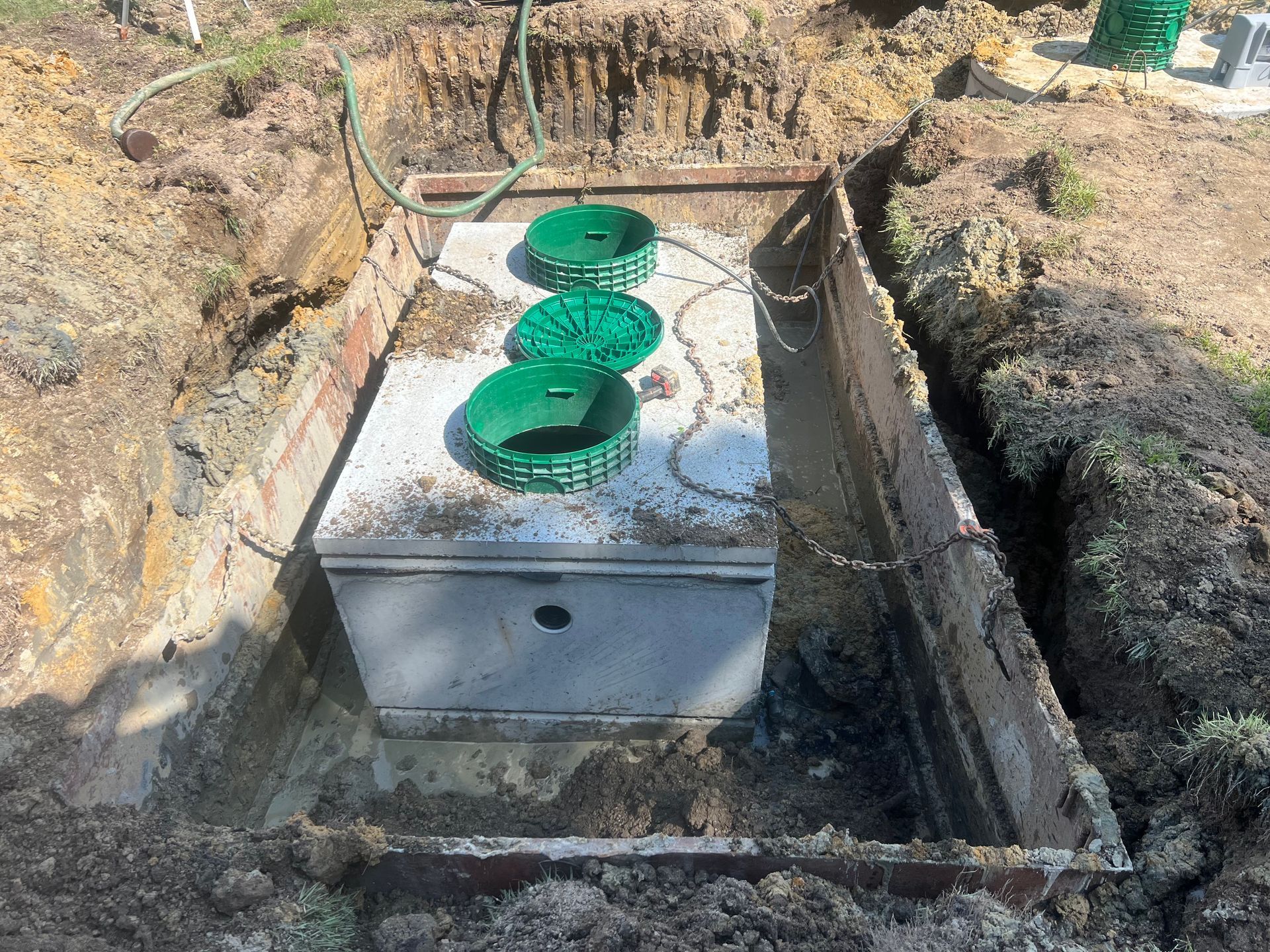
4. Tank & Component Installation
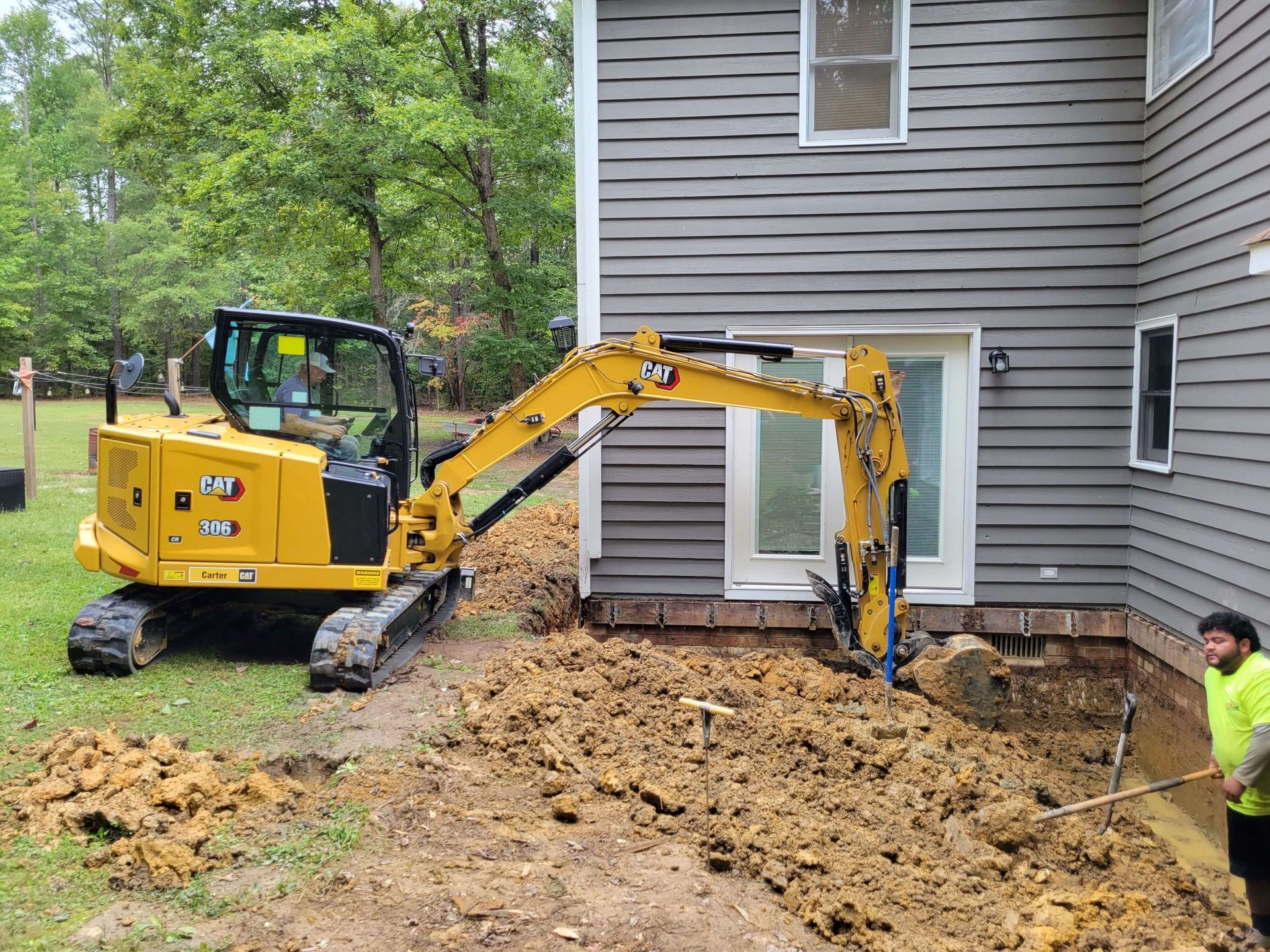
We install:
- The septic tank
- Inlet and outlet pipes
- Distribution boxes
- Drainfield trenches
- Pumps or ATU units (if required)
The tank is carefully leveled, connected, and stabilized.
5. Inspection & Project Requirements
Septic installations may require inspections and approvals at different stages of the project depending on the system design and local requirements.
A qualified septic contractor should help property owners understand how inspections fit into the installation process and what needs to be completed before the system can be placed into service.
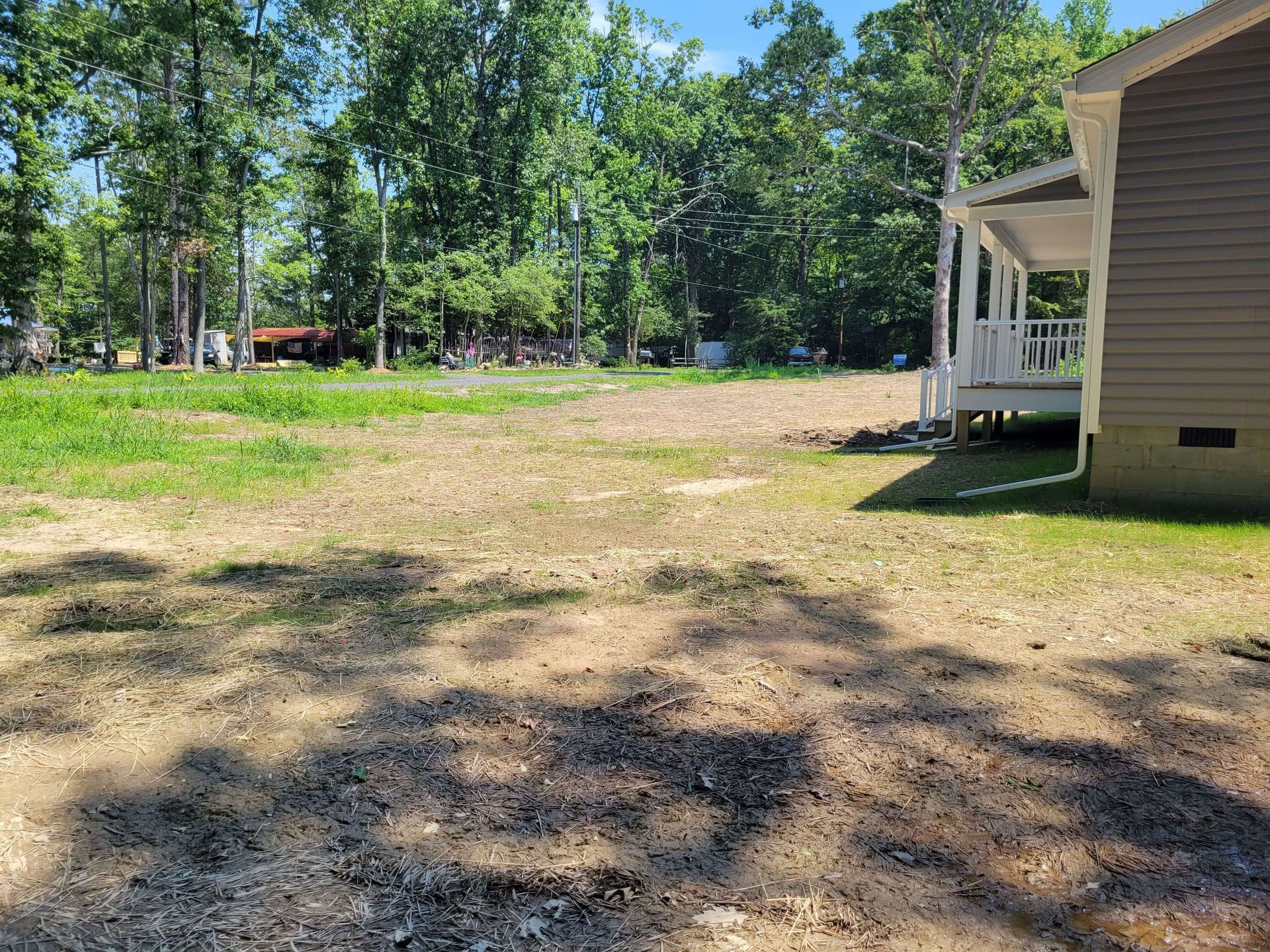
6. Backfilling & Final Grading
Proper backfill ensures:
- No settling
- No drainage issues
- A clean, finished appearance
We also discuss long-term maintenance and provide pumping schedules.
Planning a Septic Installation?
Explore RVA Site Services' complete septic installation services for new systems, replacements, excavation and site preparation.
💲WHAT AFFECTS COST?
Septic installation costs can vary significantly from one property to another. Factors that can affect the project cost:
- Soil and site conditions
- Type of septic system
- Tank size and system design
- Excavation requirements
- Property access
- Drainfield requirements
- Pumps or additional treatment components
- Permitting and inspection requirements
- Clearing, grading, or other site preparation
Because every property is different, generic online price ranges don't always provide an accurate picture of what a specific installation will cost.
A site-specific evaluation and detailed project estimate provide a much better understanding of the work required for your property.
⏱ WHAT AFFECTS TIMELINE?
The timeline for a septic installation can vary depending on the property and project. Factors that can affect the timeline:
- System design
- Permitting & Approvals
- Inspections
- Weather
- Site conditions
- Equipment access
- Project complexity
Once the project requirements are understood, RVA Site Services can provide a more realistic timeline based on the specific property and proposed scope of work.
When Should You Replace or Install a New Septic System?
✅ You're building a new home
✅ Your existing system has failed
✅ You're experiencing recurring backups or wet areas
✅ Your current tank is outdated or undersized
✅ You're adding bedrooms or expanding the home
✅ Your property requires an alternative system
Our team can assess your property and recommend the right system.
Experience Matters When Installing a Septic System
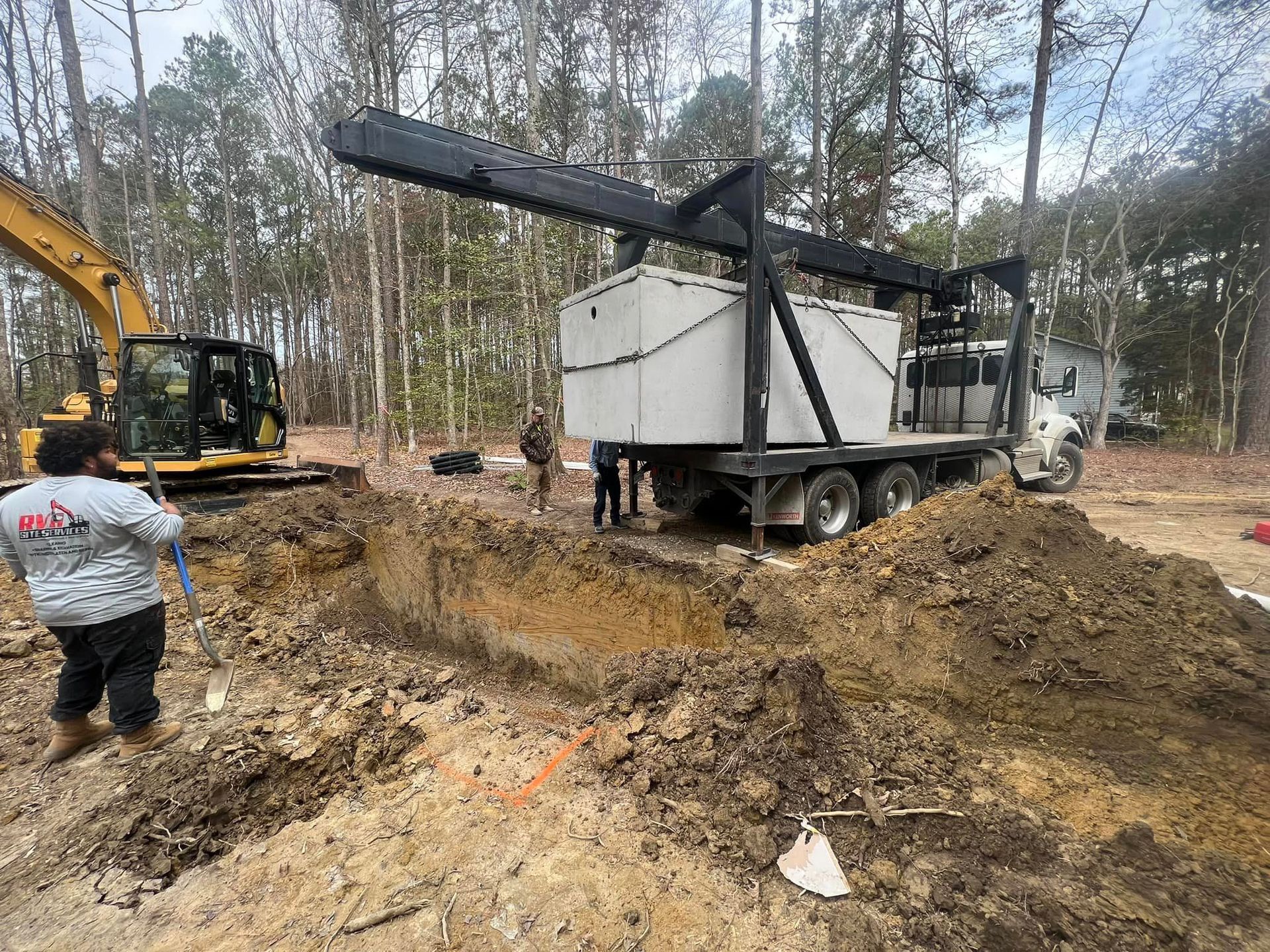
Septic installation requires coordination between system requirements, excavation, site preparation, equipment access, installation, and final property restoration. Choosing a contractor with experience handling both septic work and larger site projects can help simplify the process.
RVA Site Services provides septic installation, repair, pumping, excavation, clearing, and grading services throughout Richmond and Central Virginia. Our ability to handle septic work alongside the excavation and site preparation involved in many installations allows us to approach the property as a complete project—not simply a tank installation.
Real Septic Projects. Real Equipment. Local Experience.
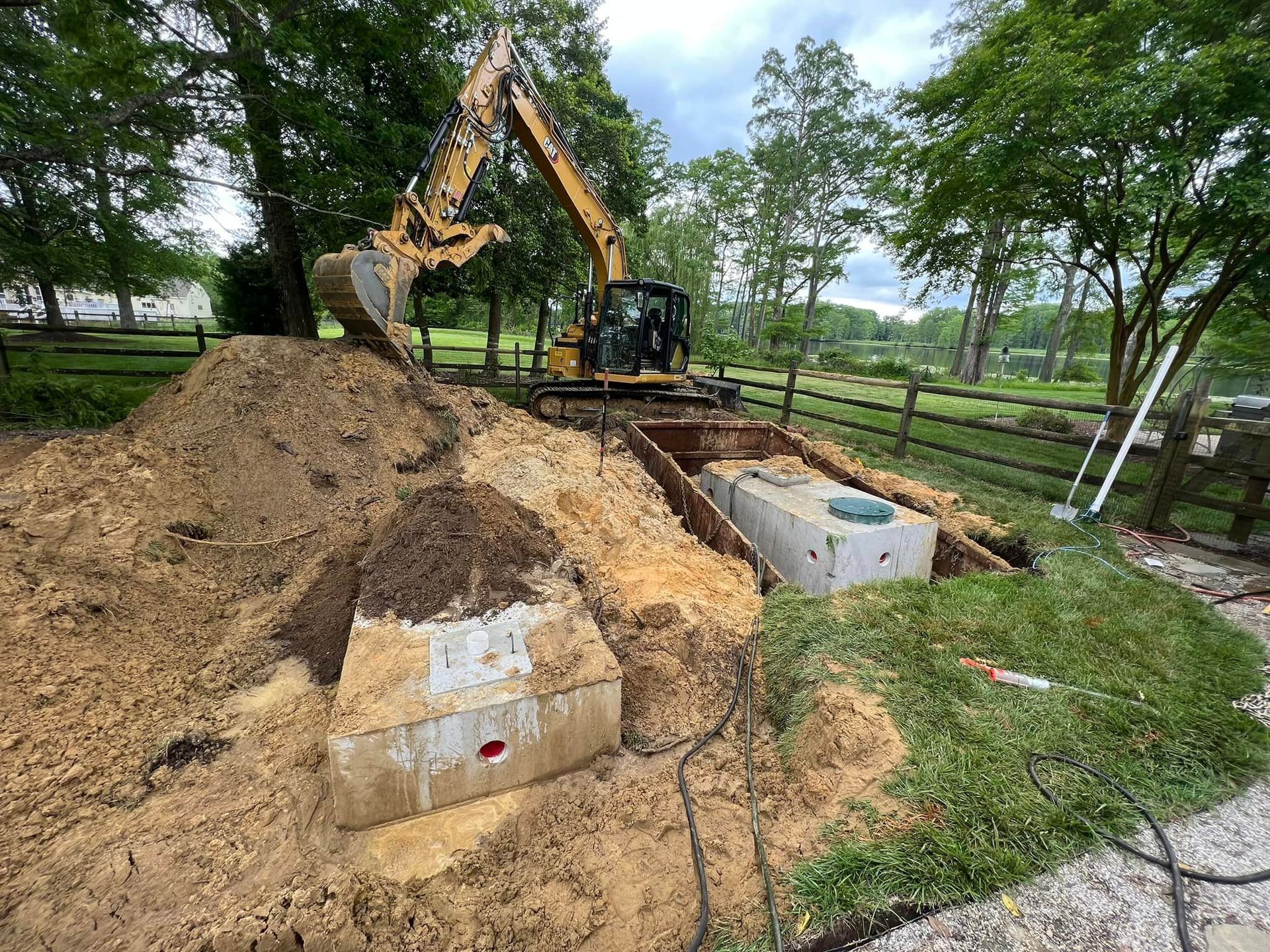
Excavation & Site Preparation
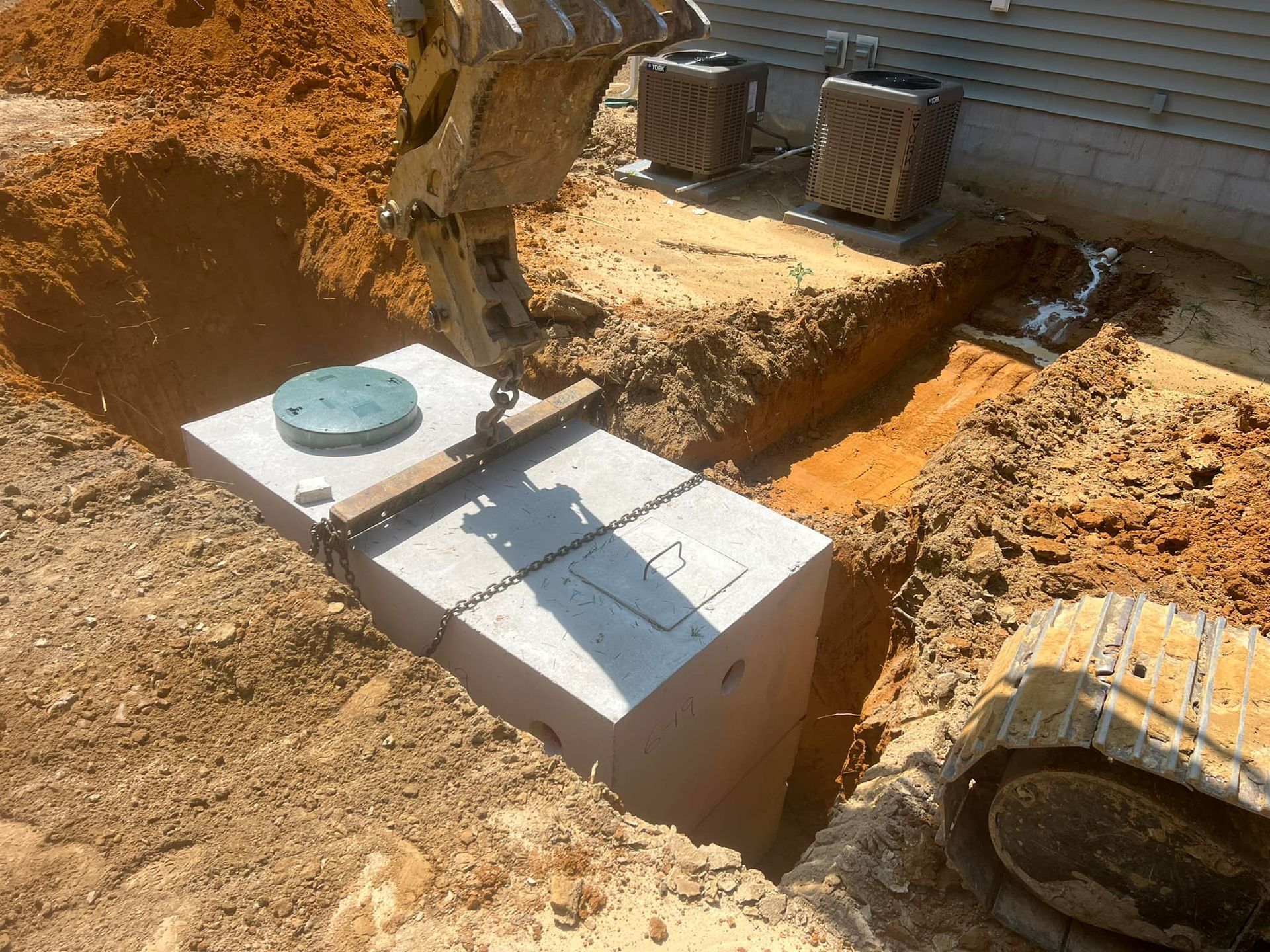
Septic Tank Installation
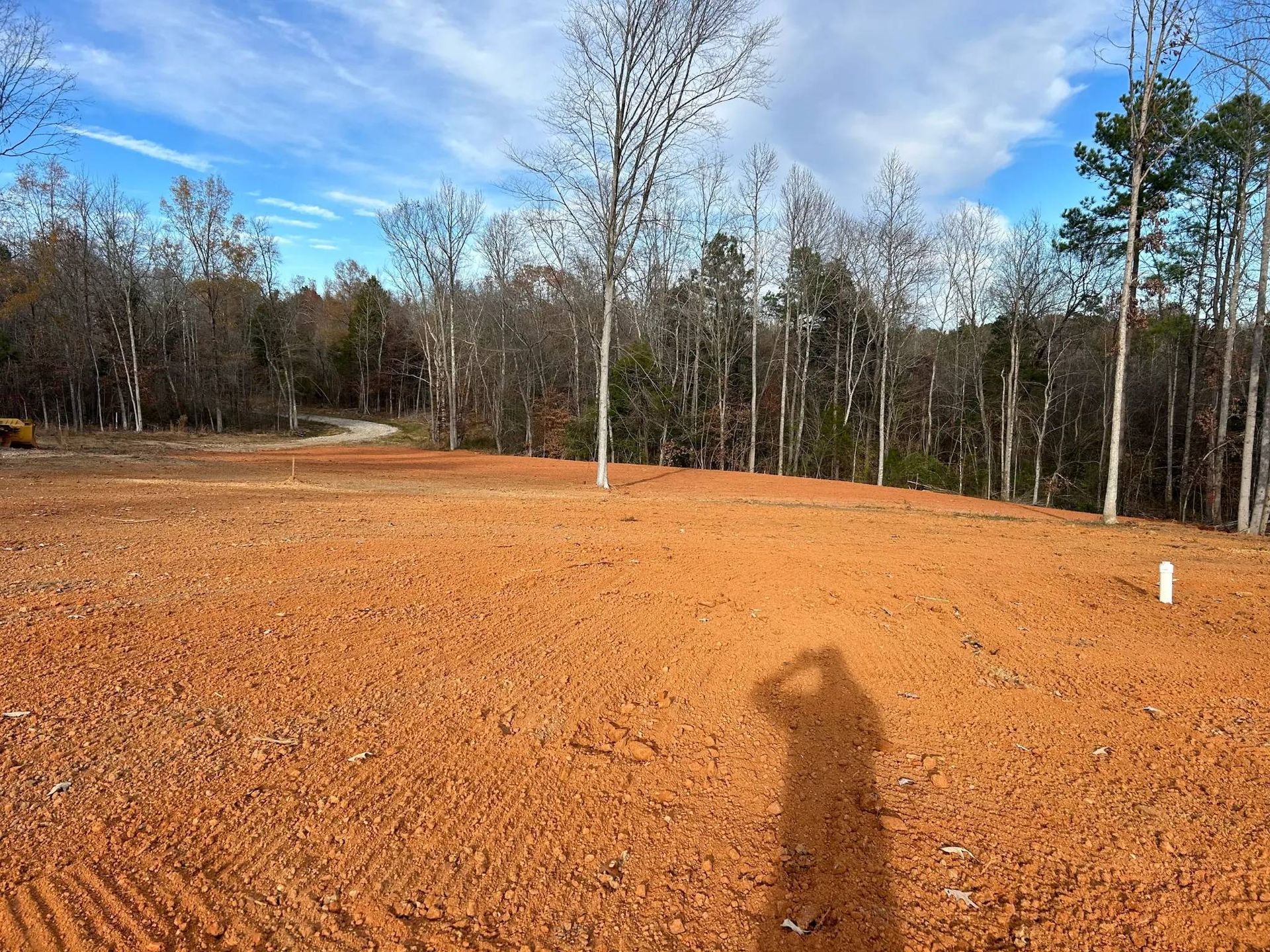
Finished Grading
Frequently Asked Questions About Septic System Installation
How much does septic system installation cost in Richmond, VA?
Septic installation costs vary depending on the property, soil and site conditions, system design, tank size, excavation requirements, property access, permitting, and whether a conventional or alternative system is required. Because every property is different, a site-specific evaluation and detailed estimate are the best ways to understand the potential cost of your project.
How long does it take to install a septic system?
Installation timelines vary depending on the system design, property conditions, permitting and approvals, inspections, weather, excavation requirements, equipment access, and complexity of the project. Once the project requirements are understood, RVA Site Services can provide a more realistic timeline for the specific property.
What type of septic system does my property need?
The appropriate septic system depends on several factors, including soil and site conditions, available space, property use, system design, and applicable requirements. Some properties may be suitable for conventional systems, while others may require alternative or advanced designs. The system should be selected based on an evaluation of the individual property and approved project requirements.
Do I need a permit to install a septic system in Virginia?
Septic installation projects may require permits, approvals, inspections, or other documentation depending on the property, system type, and local jurisdiction. Property owners should understand the requirements that apply to their specific project before installation begins.
Can an old septic system be replaced?
Yes. Septic systems can often be replaced when an existing system has failed, reached the end of its useful life, or no longer meets the needs of the property. The replacement process depends on the condition of the existing system, available space, site conditions, and the design requirements for the new system.
For information about new and replacement systems, visit our Septic Tank Installation Services page.
What are signs that a septic system may need replacement?
Potential warning signs can include recurring backups, slow drains, sewage odors, unusually wet areas around the drainfield, repeated repair problems, or an aging system that is no longer performing reliably. These symptoms don't automatically mean the entire system needs replacement, so the cause should be evaluated before deciding on the appropriate solution.
Can RVA Site Services install alternative septic systems?
The type of septic system RVA Site Services can install will depend on the approved system design and requirements of the individual project. Properties requiring alternative or advanced systems may involve additional design, permitting, equipment, or installation requirements. Contact RVA Site Services with information about your property and proposed system so the team can determine how they can assist.
Does septic installation include excavation and site preparation?
Many septic installations require excavation, equipment access, site preparation, backfilling, and grading. The exact scope depends on the property and system design. RVA Site Services also provides excavation, clearing, and grading services, which can be especially valuable on projects requiring substantial site work.
Do you install septic systems for new construction?
RVA Site Services works with homeowners, builders, businesses, and property owners on septic installation projects, including new construction and replacement systems. The requirements for a new construction project will depend on the property, approved system design, site preparation, and local requirements.
How do I get started with a septic installation?
Start by gathering any available information about the property, existing septic system, proposed construction, or approved system design. RVA Site Services can then discuss the project, site conditions, excavation requirements, and next steps.
Ready to learn more? Explore our Septic Tank Installation Services or contact RVA Site Services to discuss your project.
Planning a Septic Installation in Central Virginia?
Understanding the different types of septic systems, installation requirements, and site conditions is an important first step. But the right solution for your property will depend on factors such as soil conditions, system design, available space, property use, excavation requirements, and local permitting requirements.
RVA Site Services provides septic installation services for homeowners, builders, businesses, and property owners throughout Richmond and Central Virginia. From site preparation and excavation to new systems and replacement installations, our team has the equipment and experience to help manage the project from start to finish.