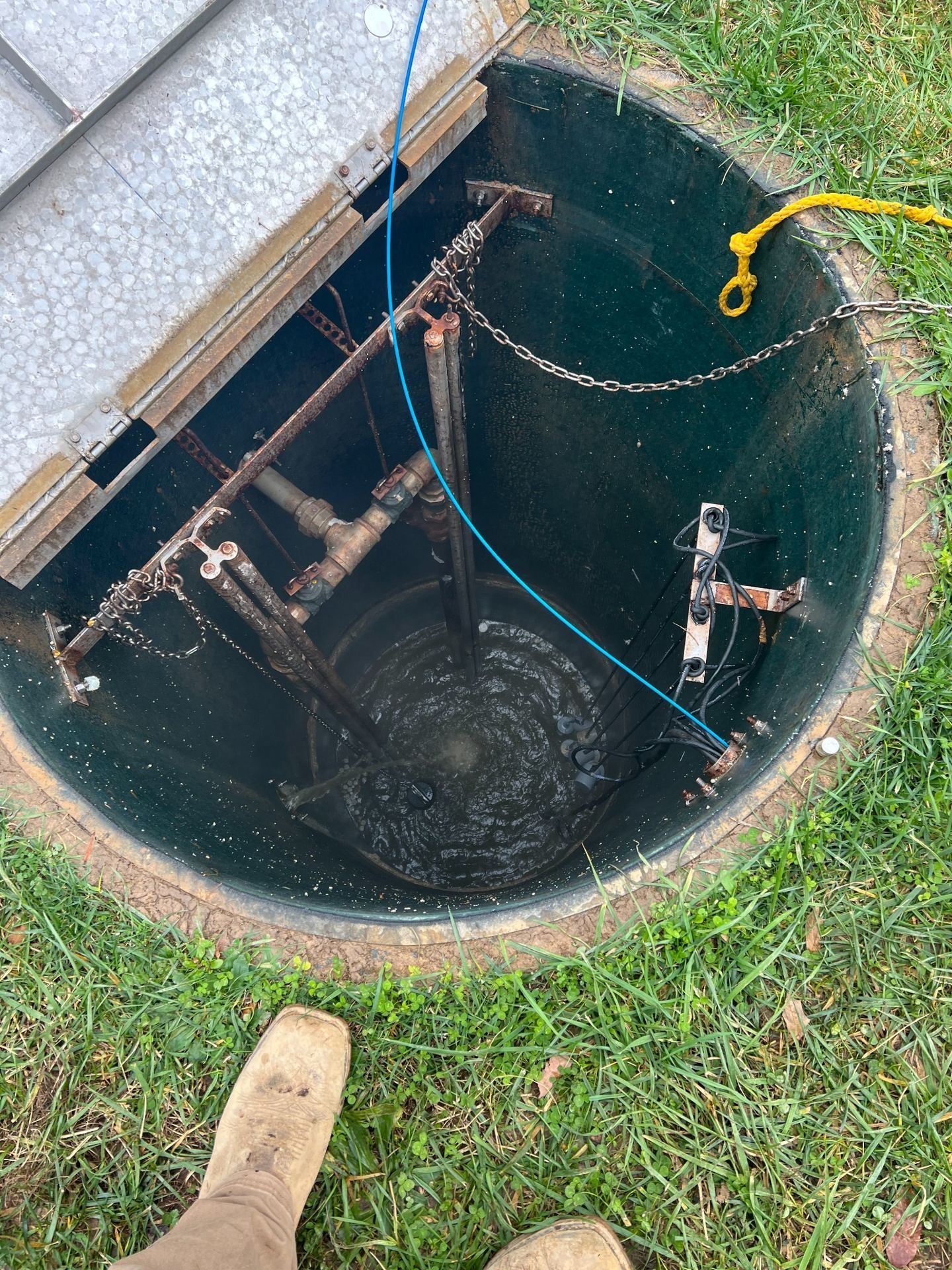
How Often Should You Pump Your Septic Tank in Virginia?
Written by the licensed professionals at RVA Site Services- proudly serving Amelia, Chesterfield, Powhatan, and Central Virginia.
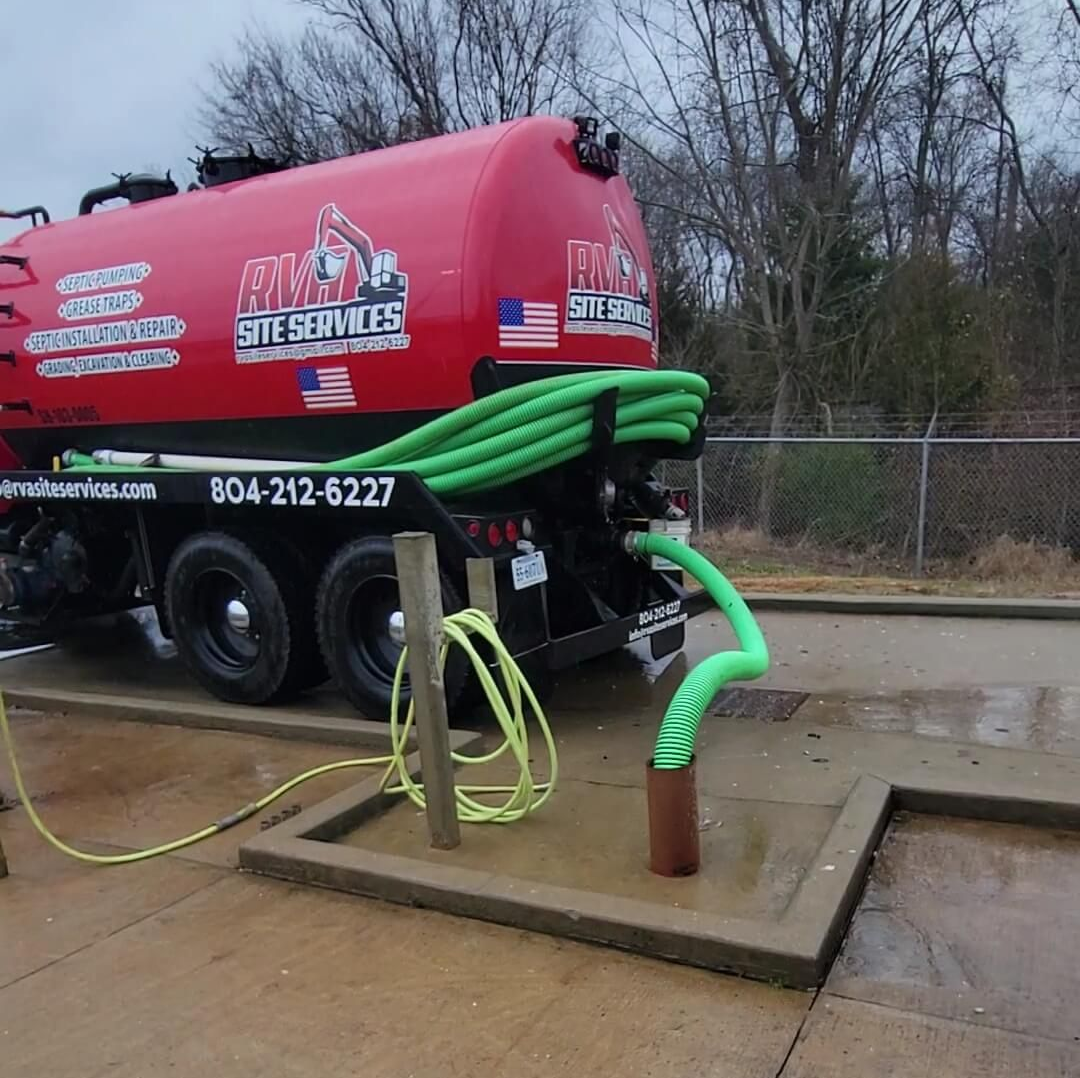
If your home relies on a septic system, regular maintenance is essential to keeping wastewater flowing properly and preventing costly repairs. But one of the most common questions homeowners ask is: How often should you pump your septic tank?
For most residential septic systems, the general recommendation is to schedule septic tank pumping every three to five years. However, the ideal pumping frequency depends on several factors, including household size, septic tank capacity, water usage, and maintenance history.
For homeowners throughout Richmond, Chesterfield, Midlothian, and Central Virginia, understanding when to schedule septic pumping can help prevent sewage backups, protect your drainfield, and extend the useful life of your septic system.
In this guide, we'll explain recommended septic pumping schedules, factors that influence how frequently your tank needs service, warning signs to watch for, and practical maintenance tips to help keep your system functioning properly.
How Often Should You Pump Your Septic Tank?
According to the U.S. Environmental Protection Agency (EPA), most residential septic tanks should be pumped approximately every three to five years. However, this is a general guideline rather than a fixed schedule for every household.
Some homeowners may need more frequent pumping, particularly if they have a smaller septic tank, a larger household, or higher-than-average water usage. Others may be able to go longer between services when their system is properly maintained and inspections confirm that pumping isn't yet necessary.
The most reliable way to determine your septic pumping schedule is to consider your household's wastewater usage, septic tank capacity, and the amount of accumulated sludge and scum inside the tank.
Septic Pumping Frequency: General Guidelines
| Household Situation | Pumping Consideration |
|---|---|
| 1–2 residents | May need less frequent pumping, depending on tank size and usage |
| 3–4 residents | Often falls within the general 3–5 year guideline |
| 5 or more residents | May require more frequent pumping |
| Small septic tank | Can fill with solids more quickly |
| Heavy water usage | May increase the need for maintenance and evaluation |
| Unknown pumping history | Schedule an inspection to establish the tank's condition |
These are general considerations, not guaranteed pumping intervals. Actual pumping needs depend on tank capacity, waste accumulation, and system conditions.
Why Septic Pumping Schedules Vary
Every septic system operates under different conditions. Two neighboring homes with similar septic tanks may require different maintenance schedules based on the number of occupants, water usage, and household habits.
For example, a household of six people using a relatively small septic tank may accumulate solids much faster than a household of two people with a larger tank.
Regular inspections help determine when accumulated sludge and scum have reached levels that require pumping, rather than relying solely on the number of years since the last service.
Don't Wait Until Your Septic Tank Causes Problems
Waiting for sewage backups, foul odors, or slow drains before scheduling septic pumping can put your property and wastewater system at risk.
Routine septic tank pumping removes accumulated solids before they can interfere with normal septic system operation or potentially damage the drainfield.
Preventative septic maintenance is generally far less disruptive than dealing with an unexpected septic system failure.
5 Factors That Determine Your Septic Pumping Schedule
Although pumping every three to five years is a common recommendation, the ideal schedule depends on how your septic system is used and maintained. Understanding these factors can help you determine when your tank may need professional attention.
1. Household size
The number of people living in your home directly affects how much wastewater and solid waste enters your septic tank.
Larger households typically produce more waste, which can cause sludge and scum to accumulate more quickly. A household with five or six residents may require more frequent pumping than a home with only one or two occupants.
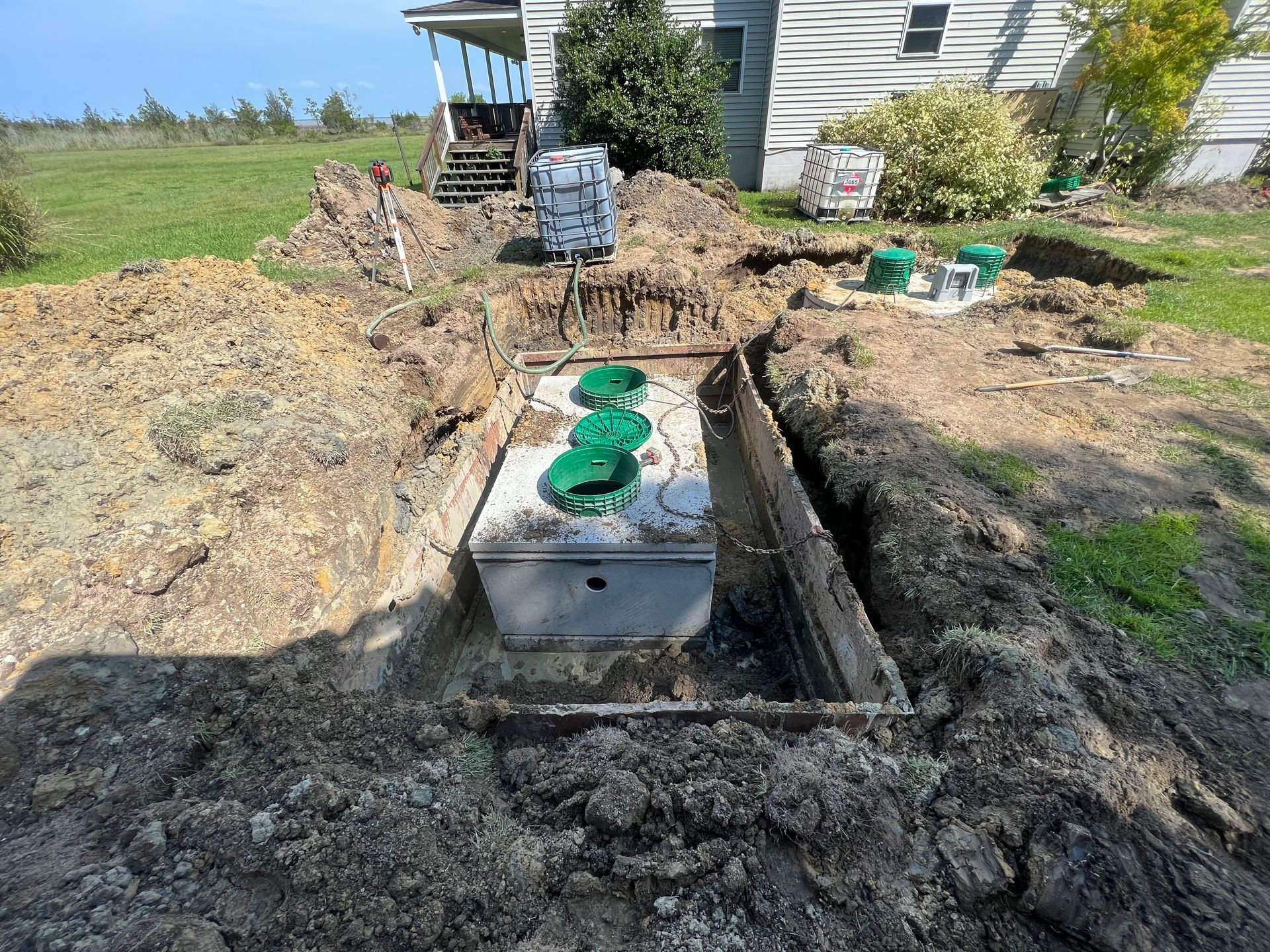
2. Septic Tank Capacity
Septic tanks come in different sizes, and their capacity plays an important role in determining pumping frequency.
A smaller tank serving a busy household may accumulate solids faster relative to its capacity than a larger tank serving the same number of people.
Knowing your septic tank's size can help a professional recommend an appropriate maintenance schedule.
3. Daily Water Usage
Everyday activities such as laundry, showering, dishwashing, and flushing toilets contribute to the amount of wastewater entering your septic system.
Excessive water usage can overload the system and reduce its ability to treat wastewater effectively. Leaking toilets and faucets can also introduce unnecessary water into the tank.
Water-efficient fixtures and spreading laundry loads throughout the week can help reduce strain on your septic system.
4. Garbage Disposal And Household Habits
Frequent garbage disposal use can increase the amount of solid material entering your septic tank, potentially requiring more frequent pumping.
Cooking grease, food scraps, disposable wipes, and other inappropriate materials can also contribute to septic problems.
Being mindful of what enters your drains helps protect your system and supports more predictable maintenance needs.
5. Previous Maintenance And system Condition
Your septic system's maintenance history is another important factor.
If you recently purchased a home and don't know when the tank was last pumped, scheduling a professional inspection can help establish its current condition.
Regular inspections can also identify excessive sludge accumulation, damaged components, and other concerns that may affect your pumping schedule.
Every Septic system Has Different Maintenance Needs
There is no single pumping schedule that works perfectly for every household. The right interval depends on tank capacity, occupancy, waste accumulation, and overall system condition.
A professional septic evaluation can help establish a maintenance schedule based on your property's actual needs rather than guesswork.
6 Warning Signs Your Septic Tank May Need Pumping
Your septic system often provides warning signs when something isn't working properly. While routine pumping should happen before problems develop, recognizing these symptoms can help homeowners take action before a minor issue becomes a major septic emergency.
Here are six signs that your septic tank may need attention.
1. Slow Drains Throughout Your Home
If multiple sinks, showers, or toilets are draining more slowly than usual, your septic system may be struggling to handle wastewater.
Although a single slow drain could indicate a localized plumbing clog, slow drainage throughout the home may point to a problem involving the septic tank, sewer line, or drainfield.
2. Unpleasant Sewage Odors
Persistent sewage odors around your septic tank, drainfield, or household plumbing can indicate that wastewater isn't being processed or contained properly.
These odors may be associated with excessive waste accumulation, damaged components, or other septic system problems that require professional evaluation.
3. Sewage Backing Up Into Your Home
Wastewater backing up through toilets, showers, or floor drains is one of the most serious warning signs of a septic problem.
A backup may result from a blockage, an overloaded system, or a malfunctioning component. Because sewage can contain harmful pathogens, avoid contact with contaminated water and contact a septic professional promptly.
If wastewater is backing up into your home, learn more about our emergency septic pumping services in Richmond and Central Virginia.
4. Standing Water Or Soggy areas In Your Yard
Unusually wet ground, pooling wastewater, or soggy areas near your septic tank or drainfield may indicate that the system isn't functioning correctly.
These conditions can develop when wastewater cannot move or disperse properly. However, standing water can also result from rainfall, drainage issues, or other causes, so professional diagnosis is important.
5. Unusually Green Or Lush Grass Near The Drainfield
A patch of grass that appears significantly greener or grows faster than the surrounding lawn may sometimes indicate excess moisture or nutrients in the soil.
While healthy grass alone doesn't prove septic failure, unusually lush vegetation combined with sewage odors, standing water, or drainage problems may warrant further investigation.
6. You Don't Know When Your Septic Tank Was Last Pumped
One of the simplest reasons to schedule septic maintenance is an unknown pumping history.
If you've recently purchased a home or can't remember the last time your tank was serviced, a professional inspection can help determine whether pumping is necessary.
Waiting until your septic system develops obvious problems can increase the risk of costly repairs.
Don't Assume Pumping Will Fix Every Septic Problem
Although these warning signs may indicate that septic pumping is overdue, they can also point to damaged pipes, malfunctioning pumps, or drainfield problems.
A professional septic evaluation can help identify the underlying issue and determine whether pumping, repairs, or additional service is needed.
If sewage is actively backing up into your home, limit water use and seek professional assistance promptly rather than waiting for a routine maintenance appointment.
⚠️ Warning: Experiencing a Sewage Backup?
Avoid contact with wastewater, reduce household water use, and contact a septic professional promptly. Pumping alone may not resolve the underlying problem.
What Happens If You Don't Pump Your Septic Tank?
Routine septic tank pumping is one of the most important steps homeowners can take to protect their wastewater systems. When a septic tank goes too long without maintenance, accumulated sludge and scum can interfere with proper treatment and increase the risk of expensive repairs.
While skipping a scheduled pumping doesn't automatically mean your septic system will fail, prolonged neglect can create serious problems over time.
1. Excessive Sludge And Scum Accumulation
As wastewater enters your septic tank, heavier solids settle to the bottom as sludge, while fats, oils, and other floating materials form a scum layer near the surface.
Over time, these layers grow and reduce the space available for wastewater to separate and settle properly.
Without periodic pumping, excessive solids may escape the tank and enter downstream components, potentially creating blockages and damaging the drainfield.
2. Increased Risk Of Drainfield Damage
Your septic drainfield is responsible for treating and dispersing wastewater into the surrounding soil.
When excessive solids leave the septic tank, they can contribute to clogged distribution pipes and soil treatment areas. This may reduce the drainfield's ability to absorb and treat wastewater effectively.
Severe drainfield problems can be expensive to address and may require significant repairs or replacement.
3. Sewage Backups And Plumbing Problems
A neglected septic system may eventually experience slow drains, gurgling plumbing, or wastewater backing up into the home.
These symptoms can develop when blockages or other system deficiencies prevent wastewater from flowing properly.
Sewage backups are more than an inconvenience. They can expose occupants to harmful microorganisms, damage flooring and personal belongings, and require professional cleanup.
4. Unpleasant Odors And Wastewater Surfacing
When a septic system cannot properly contain, treat, or disperse wastewater, unpleasant sewage odors may develop around the tank, drainfield, or household plumbing.
In more serious situations, wastewater may surface in the yard, creating potential health and environmental concerns.
These conditions should be evaluated promptly rather than treated as routine maintenance issues.
5. costly Septic Repairs Or Premature Replacement
One of the biggest risks of neglected septic maintenance is the possibility of preventable damage to major system components.
Routine pumping is generally a smaller investment than extensive septic system repairs or replacing a failed septic system.
Although not every septic failure results from missed pumping, consistent maintenance can help reduce avoidable problems and support the system's long-term performance.
Preventative Pumping Helps Protect Your Investment
Your septic system is a major part of your home's infrastructure, even though most of its components are hidden underground.
Staying on top of septic tank pumping and inspections can help prevent unnecessary damage, reduce the risk of unexpected emergencies, and protect your property for years to come.
If you're unsure when your tank was last pumped, scheduling a professional evaluation is a sensible first step.
6 Essential Septic Maintenance Tips for Virginia Homeowners
Regular septic tank pumping is essential, but maintaining a healthy septic system involves more than scheduling service every few years. Your everyday habits can significantly affect how efficiently your system operates and how long its components last.
Whether you live in Richmond, Chesterfield, Midlothian, or another Central Virginia community, these six maintenance tips can help protect your septic system and reduce the risk of costly problems.

1. Follow A Consistent Septic Pumping Schedule
Don't wait until your septic system develops problems before scheduling maintenance.
Most residential septic tanks should be pumped approximately every three to five years, although the appropriate interval depends on household size, tank capacity, and waste accumulation.
Keep track of your last pumping appointment and work with a septic professional to determine a schedule that fits your household's needs.
2. Conserve Water And Repair Household Leaks
Excessive water usage can overload your septic system and interfere with proper wastewater treatment.
Repair leaking faucets and running toilets promptly, install water-efficient fixtures when possible, and spread laundry loads throughout the week instead of washing everything in one day.
Reducing unnecessary water usage helps your septic system operate more efficiently.
3. Be Careful What You flush Or Pour Down Drains
Your septic system is designed to process household wastewater and human waste—not household trash or excessive chemicals.
Avoid flushing disposable wipes, paper towels, feminine hygiene products, dental floss, and other materials that do not break down easily.
Keep cooking grease, paint, solvents, and harsh chemicals out of your drains. These materials can contribute to blockages, interfere with wastewater treatment, or damage septic components.
4. Protect Your Septic Tank And Drainfield
The ground above your septic tank and drainfield should be protected from unnecessary pressure and disturbance.
Avoid parking vehicles, operating heavy equipment, or constructing patios, sheds, and other structures over septic components.
Keep deep-rooted trees away from the system, and direct roof runoff and surface drainage away from the drainfield to prevent excessive water from entering the treatment area.
5. Schedule Regular Septic Inspections
Even when your septic system appears to be functioning normally, periodic inspections can help identify maintenance concerns before they become serious problems.
The EPA generally recommends having typical household septic systems inspected at least every three years. Systems with pumps, electrical components, or other specialized equipment may require more frequent inspections.
A
professional septic inspection can help assess system condition, identify potential issues, and determine whether pumping or additional maintenance is necessary.
6. Keep Records Of Pumping, Inspections, And Repairs
Maintaining accurate septic service records makes it easier to track your system's condition and plan future maintenance.
Record the dates of pumping appointments, inspection findings, repairs, and system modifications.
These records can also be valuable when selling your home, planning renovations, or discussing recurring septic concerns with a professional.
Small Maintenance Habits Can Make A Big Difference
A well-maintained septic system is less likely to experience preventable problems that lead to expensive repairs or premature replacement.
By combining routine pumping, responsible water usage, regular inspections, and proper drainfield care, Virginia homeowners can help protect their septic systems for years to come.
Frequently Asked Questions About Septic Tank Pumping in Virginia
1. How often should a septic tank be pumped in Virginia?
Most residential septic tanks should be pumped approximately every three to five years, according to the U.S. Environmental Protection Agency (EPA). However, the appropriate schedule depends on household size, tank capacity, water usage, and the amount of accumulated solids. Regular inspections can help determine when pumping is actually necessary.
2. How much does septic tank pumping cost in Virginia?
Septic pumping costs vary depending on tank size, accessibility, location, and the amount of work required. Additional services, such as locating a buried tank, uncovering access lids, or addressing maintenance concerns, may affect the final price. Homeowners should request an estimate from a local septic professional based on their property's specific needs.
3. What are the signs that a septic tank needs pumping?
Common warning signs include slow drains, sewage odors, wastewater backups, and unusually wet areas near the septic system. However, these symptoms can also indicate clogged pipes, drainfield problems, or other system failures. A professional evaluation can determine whether pumping or another service is needed.
4. Can you go 10 years without pumping a septic tank?
Some septic systems may operate for extended periods without obvious problems, but going ten years without pumping is generally not recommended unless inspections and sludge measurements demonstrate that it is appropriate. Excessive solids can accumulate over time and potentially damage downstream components. Regular inspections and pumping based on actual tank conditions are safer than relying on a long fixed interval.
5. Do septic tank additives eliminate the need for pumping?
No. Septic tank additives do not replace routine pumping. Although some products claim to break down waste or improve septic performance, the EPA does not recommend using additives as a substitute for proper maintenance. Physical removal of accumulated sludge and scum remains an essential part of septic tank care.
6. Should I pump my septic tank before selling my house?
If you're preparing to sell a home with a septic system, reviewing maintenance records and arranging an appropriate septic inspection can help identify potential concerns before closing. Pumping may be recommended depending on the tank's condition, maintenance history, and inspection requirements. Some inspections may require specific tank conditions, so coordinate pumping with the inspector rather than automatically scheduling it beforehand.
Septic Tank Repair or Replacement? Make the Right Decision for Your Property
Knowing how often to pump your septic tank is an important part of protecting your home and avoiding unexpected wastewater problems. While most residential septic tanks should be pumped approximately every three to five years, the right schedule depends on your household size, water usage, tank capacity, and maintenance history.
Routine septic pumping helps remove accumulated waste, protect your drainfield, and reduce the risk of costly septic repairs. Combined with regular inspections and responsible household habits, preventative maintenance can help keep your system functioning properly for years to come.
Don't wait until sewage backups, unpleasant odors, or drainage problems become an emergency. Taking a proactive approach to septic maintenance can save time, reduce stress, and help protect your property.
Schedule Professional Septic Tank Pumping in Richmond, VA
RVA Site Services provides septic pumping and maintenance services for homeowners throughout Richmond, Chesterfield, Midlothian, and surrounding Central Virginia communities.
Whether you're due for routine pumping, recently purchased a home, or have questions about your septic system's condition, our team is ready to help.
Contact RVA Site Services today to discuss your septic pumping needs and schedule professional service.