
Septic Tank Repair vs. Replacement: How Do You Know Which One You Need?
Written by the licensed professionals at RVA Site Services- proudly serving Amelia, Chesterfield, Powhatan, and Central Virginia.
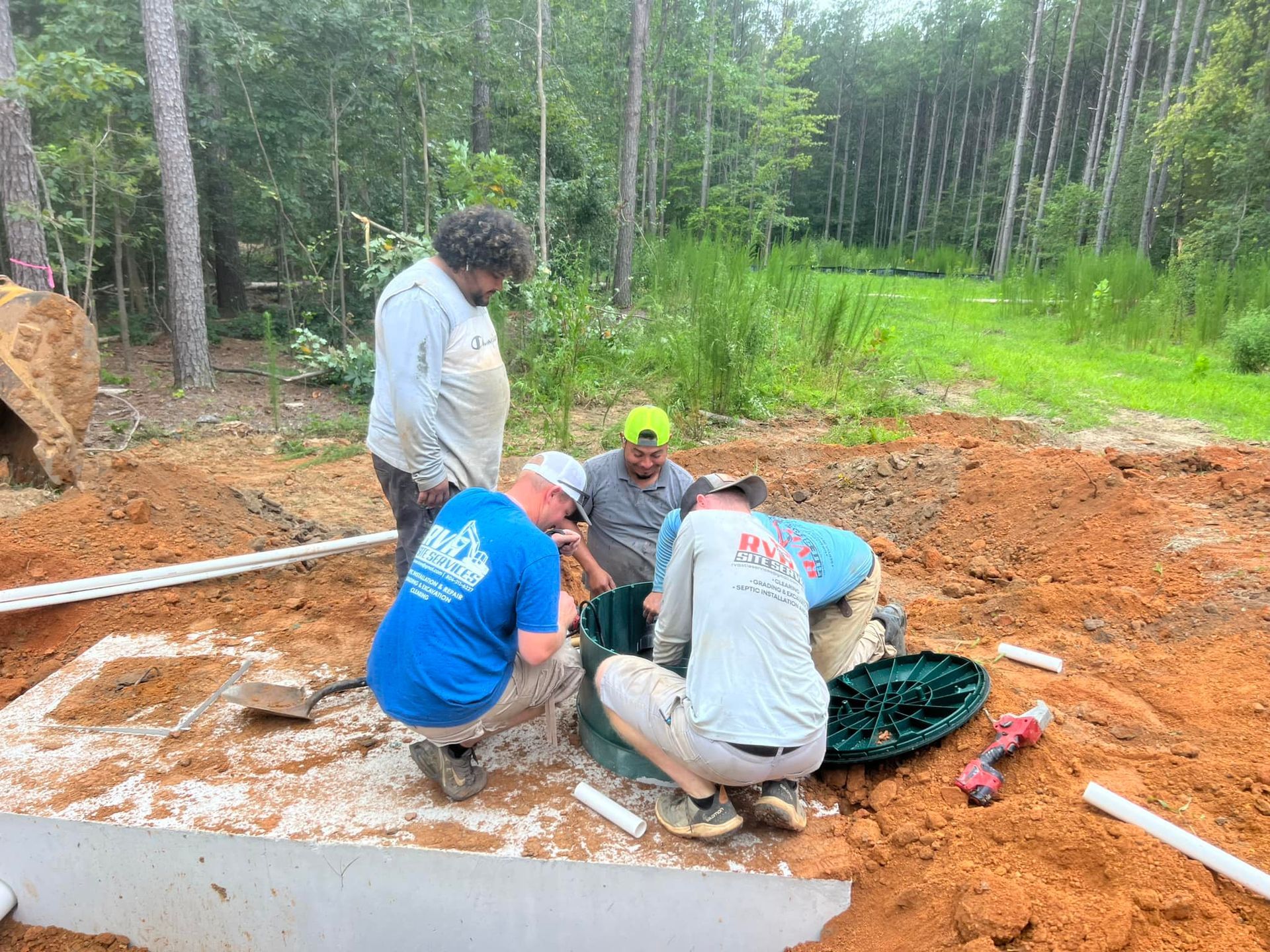
When your septic system starts showing signs of trouble, one of the biggest questions homeowners face is whether the problem can be repaired or if the entire system needs to be replaced. Slow drains, unpleasant odors, standing water, and recurring backups can all indicate septic issues, but they don't necessarily mean you need a brand-new system.
Understanding the difference between septic tank repair and replacement can help you avoid unnecessary expenses, protect your property, and make informed decisions about your wastewater system.
For homeowners throughout Richmond, Chesterfield, Midlothian, and Central Virginia, knowing when to repair or replace a septic system starts with identifying the underlying problem. In this guide, we'll explore common warning signs, repairable issues, situations that may require replacement, and the factors that influence your options.
What's the Difference Between Septic Tank Repair and Replacement?
Not every septic problem requires replacing your entire system. In many cases, the issue may involve a damaged component, a clogged pipe, a malfunctioning pump, or another problem that can be addressed through targeted repairs.
Septic tank repair focuses on correcting a specific issue while preserving the existing system whenever possible. Depending on the condition of the tank and its components, repairs may involve replacing damaged pipes, repairing connections, or addressing other localized problems.
Septic system replacement involves replacing a tank, drainfield, or other major components when the existing equipment can no longer function safely or effectively. In some situations, extensive damage, structural deterioration, or drainfield failure may make replacement the more practical long-term solution.
The important distinction is that a failing component doesn't always mean the entire septic system has failed. A professional evaluation can help determine the source of the problem and whether repair, maintenance, or replacement is appropriate..
Common Septic System Problems That May Be Repairable
Experiencing septic problems doesn't automatically mean your entire system needs to be replaced. Many issues involve individual components that can be repaired or replaced, depending on their condition and the extent of the damage.
Here are some common septic system problems that may be resolved through targeted repairs.
1. Damaged or Clogged Septic Pipes
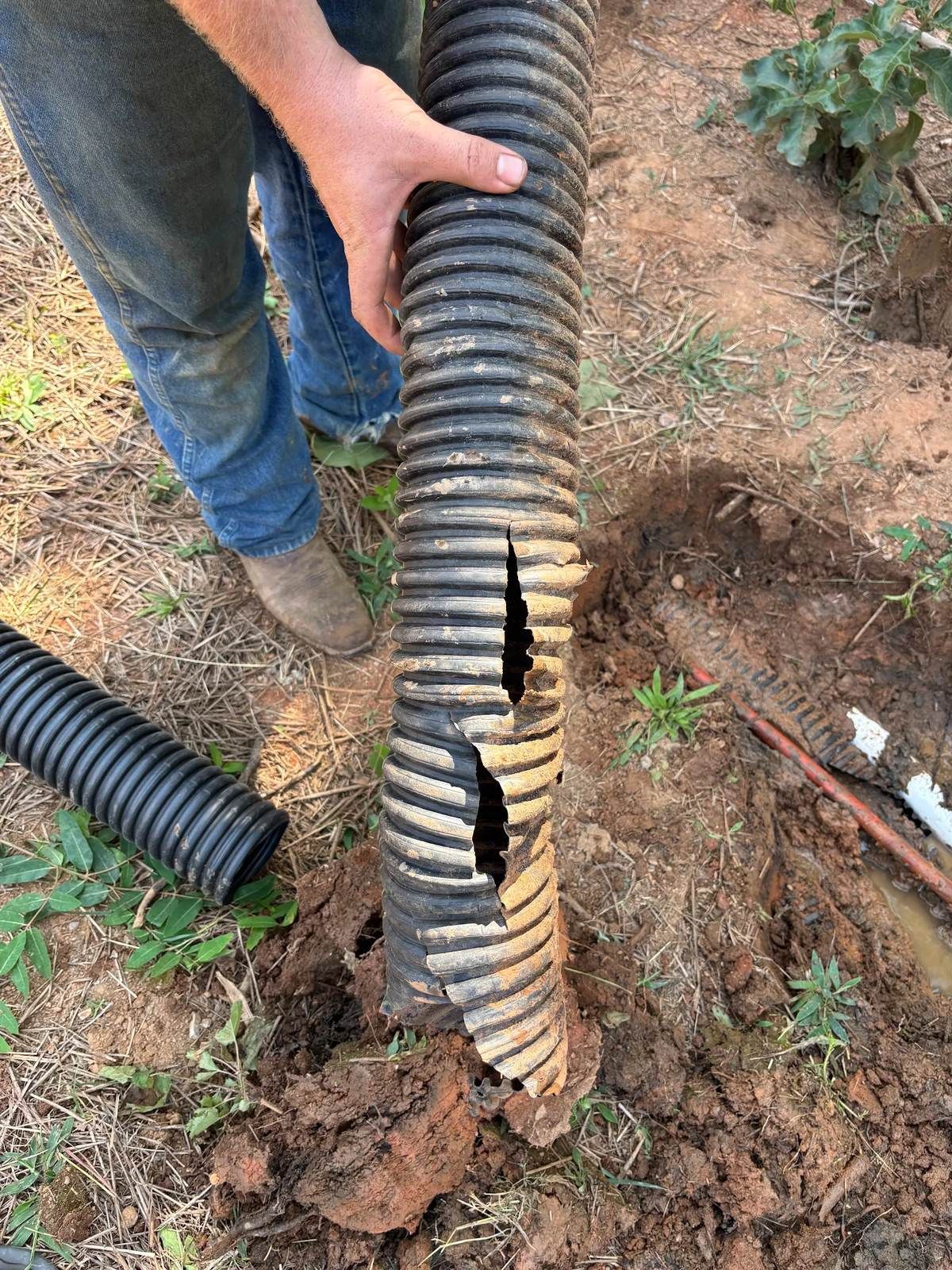
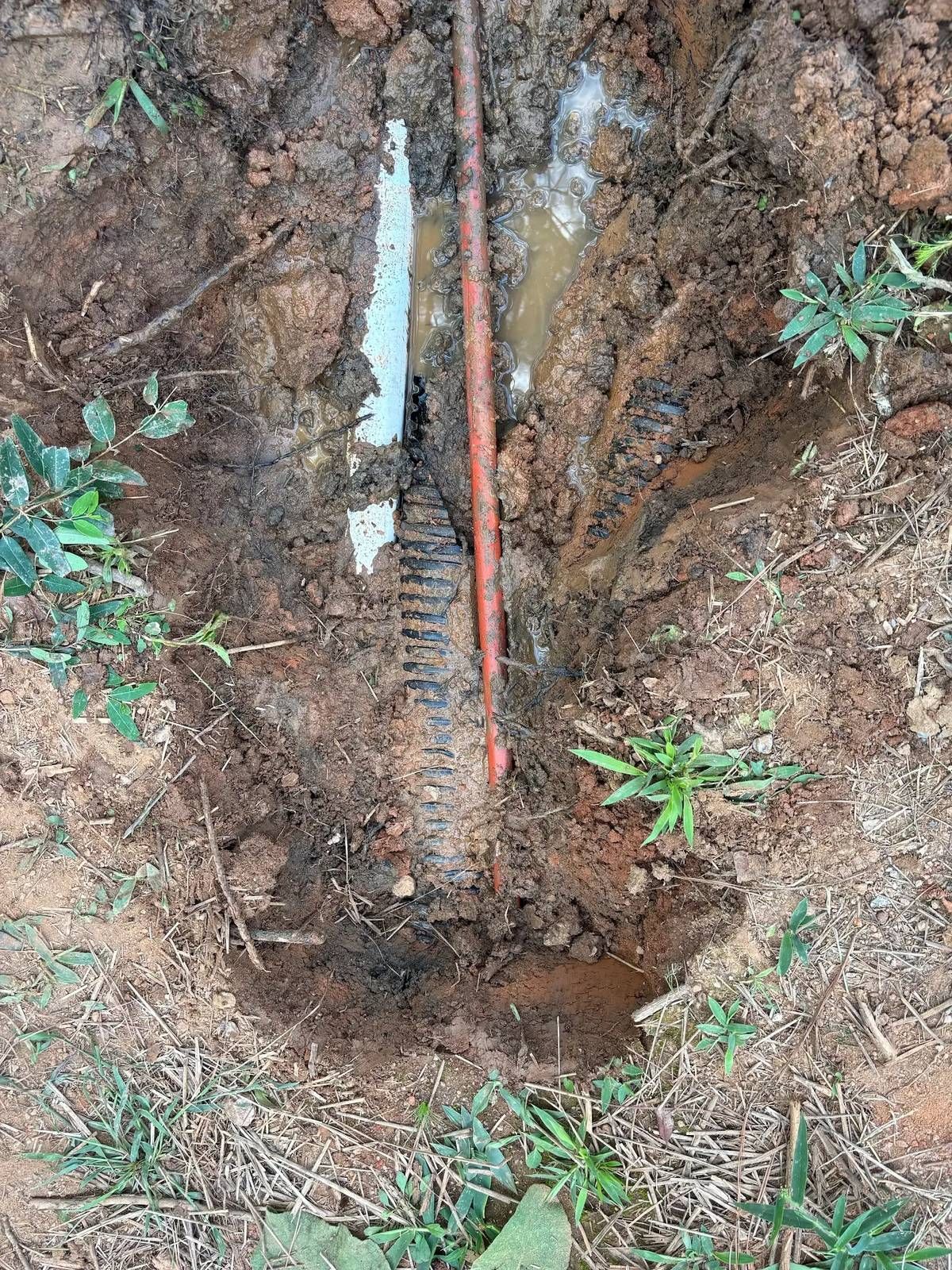
Underground pipes can become blocked, cracked, or damaged by shifting soil, tree roots, or everyday wear. These problems may cause slow drains, wastewater backups, or poor drainage. Depending on the location and severity of the damage, repairing or replacing the affected pipe may restore proper wastewater flow.
2. Broken Septic Tank Baffles
Septic tank baffles help direct wastewater through the system while preventing solids and floating materials from entering the drainfield. Damaged or missing baffles can interfere with normal operation and potentially contribute to more serious problems. In some cases, individual baffles can be repaired or replaced without installing a new septic tank.
3. Septic Pump Or Electrical Component Failures
Some septic systems rely on pumps, floats, alarms, and electrical controls to move wastewater between components. When these parts malfunction, homeowners may experience backups, warning alarms, or interrupted system operation. Replacing a failed pump or control component may resolve the issue if the rest of the system remains in good condition.

4. Leaking or Damaged Pipe Connections
Connections between septic components can deteriorate or become damaged over time. Leaks may allow wastewater to escape or groundwater to enter the system, potentially affecting performance. Depending on the condition of the surrounding components, damaged connections may be repairable.
5. Minor Septic Tank Component Damage
Certain accessible tank components, such as risers, lids, or fittings, may become damaged through age, weather exposure, or physical impact. These components can sometimes be repaired or replaced independently. However, structural damage to the tank itself requires careful professional evaluation and may warrant replacement.

Why Proper Diagnosis Matters
Although these problems may be repairable, similar symptoms can also indicate more serious issues involving the septic tank or drainfield.
The best approach is to identify the underlying cause before deciding whether repair or replacement makes sense. A professional septic inspection can help determine which components need attention and whether additional repairs or system improvements are necessary.
When Is Septic System Replacement Necessary?
While many septic problems can be resolved through repairs, some situations require replacing the septic tank, drainfield, or other major components. Extensive deterioration, repeated system failures, and serious drainage problems may indicate that repairs alone will not provide a reliable long-term solution.
Here are five warning signs that septic system replacement may be necessary.
1. Severe Septic Tank Structural Damage
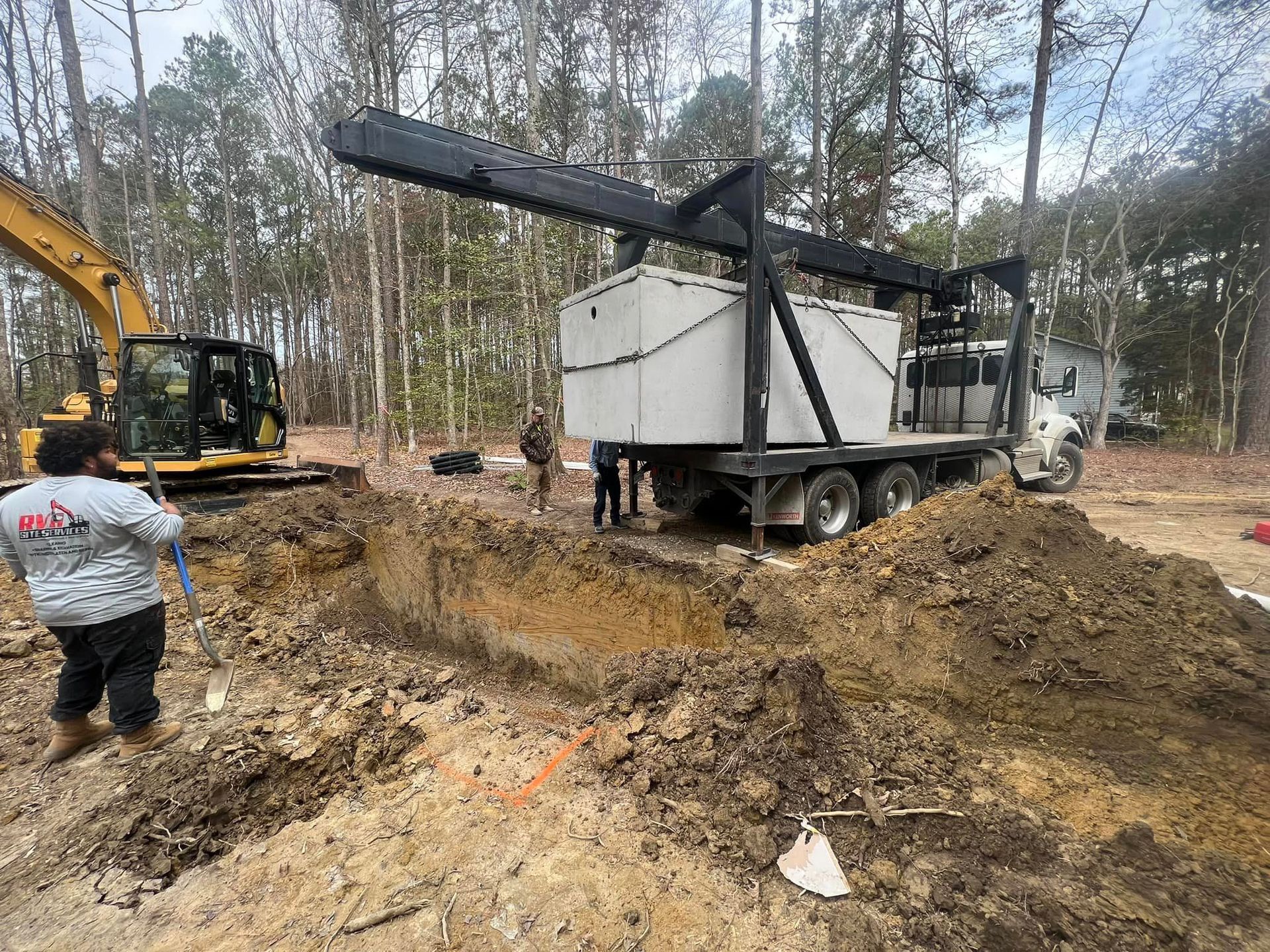
Over time, septic tanks can develop cracks, deteriorating walls, or other structural problems. Significant damage may compromise the tank's ability to safely contain and treat wastewater.
When a tank has extensive structural deterioration, septic tank replacement may be safer and more practical than attempting repairs.
2. Septic Drainfield Failure
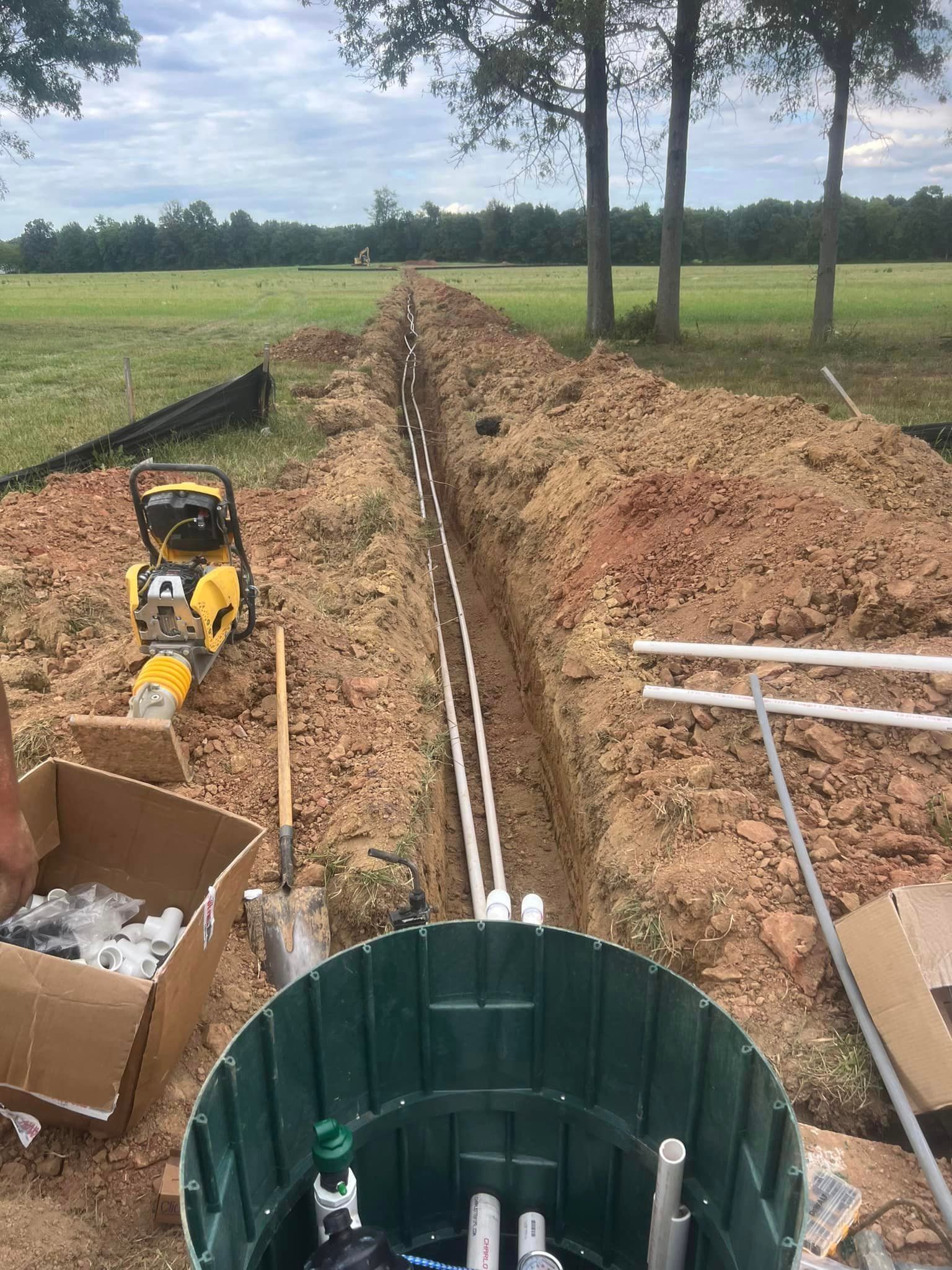
Your drainfield plays a critical role in treating and dispersing wastewater into the surrounding soil. When a drainfield becomes overloaded, clogged, or otherwise unable to function properly, wastewater may surface in the yard or back up into the plumbing system.
Although some drainage problems have repairable causes, a severely failed drainfield may require replacement or an alternative treatment solution.
3. Frequent Sewage Backups and Recurring Problems
Occasional plumbing issues don't necessarily indicate septic system failure. However, repeated sewage backups, persistent drainage problems, or recurring septic emergencies may point to an underlying issue that hasn't been resolved.
If previous repairs and maintenance haven't corrected the problem, a comprehensive system evaluation may reveal whether major components need replacement.

4. An Aging Septic system With Extensive Deterioration
Septic systems can operate for decades when properly designed, installed, and maintained. However, their lifespan depends on construction materials, soil conditions, household usage, and maintenance history.
An older system isn't automatically a failed system. But when aging components experience extensive deterioration or repeated failures, replacement may become the more practical investment.
5. A Septic System That No Longer Meets Property Needs
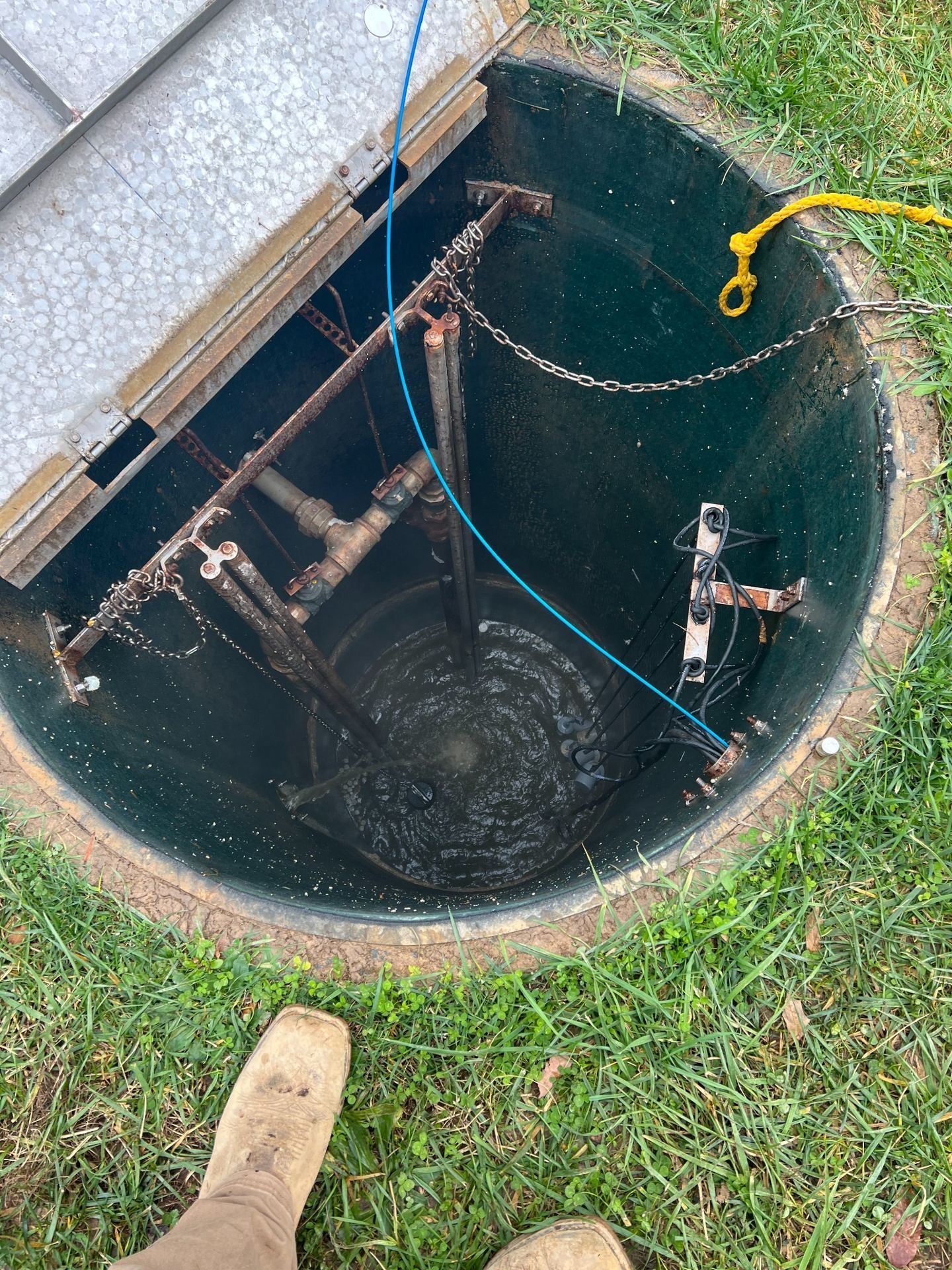
Home additions, increased household occupancy, or changes in property use can place additional demands on an existing septic system.
If the system cannot adequately support the property's wastewater needs, modifications or replacement may be necessary. Depending on the project, local permitting requirements and septic system evaluations may also apply.

Replacement Doesn't Always Mean Replacing Everything
One of the most important things homeowners should understand is that septic tank replacement and complete septic system replacement are not necessarily the same thing.
In some cases, only the tank, drainfield, or another major component needs replacement. The appropriate solution depends on the condition of the existing system, site conditions, and applicable Virginia regulations.
Before committing to an expensive replacement, have a qualified septic professional evaluate the system and explain the available options.
Septic Tank Repair vs. Replacement: Which Is the Better Investment?
When deciding between septic tank repair and replacement, cost is often one of the biggest concerns for homeowners. While repairs generally involve a smaller upfront investment, replacement may offer better long-term value when major components are severely damaged or repeatedly failing.
The right decision depends on several factors, including the system's age, overall condition, the extent of the damage, and whether the existing components can continue operating reliably.
| Factor | Septic System Repair | Septic System Replacement |
|---|---|---|
| Upfront Cost | Generally lower for localized repairs | Generally higher due to equipment, excavation, and installation |
| Best For | Isolated component failures or minor damage | Severely deteriorated tanks, failed drainfields, or major system deficiencies |
| Project Scope | Repairs or replaces specific components | Replaces the tank, drainfield, or other major components as needed |
| Property Disruption | Often less excavation and disturbance | May require significant excavation and site restoration |
| Long-Term Value | Can extend the useful life of a functioning system | Can provide a longer-term solution when existing components are beyond repair |
| Permits & Approvals | Requirements depend on the work performed | Often involves permits, site evaluations, and regulatory approvals |
Several factors can influence the total cost of septic work in Richmond and Central Virginia:
- Type of damage: A damaged pipe or component may cost substantially less to address than a failed septic tank or drainfield.
- System accessibility: Deeply buried components, difficult terrain, or limited equipment access can increase labor and excavation requirements.
- Soil and drainage conditions: Soil characteristics, groundwater levels, and available space can affect replacement options.
- System size and design: Larger households or properties with specialized wastewater treatment systems may require more complex solutions.
- Permitting requirements: Certain repairs, modifications, and replacements may require approval from local or state authorities.
What Affects Septic Repair and Replacement Costs?
Several factors can influence the total cost of septic work in Richmond and Central Virginia:
- Type of damage: A damaged pipe or component may cost substantially less to address than a failed septic tank or drainfield.
- System accessibility: Deeply buried components, difficult terrain, or limited equipment access can increase labor and excavation requirements.
- Soil and drainage conditions: Soil characteristics, groundwater levels, and available space can affect replacement options.
- System size and design: Larger households or properties with specialized wastewater treatment systems may require more complex solutions.
- Permitting requirements: Certain repairs, modifications, and replacements may require approval from local or state authorities.
Is It Worth Repairing an Older Septic System?
Age alone shouldn't determine whether a septic system needs replacement. An older system that remains structurally sound and functions properly may still benefit from targeted repairs and routine maintenance.
However, if the system experiences frequent failures, extensive deterioration, or recurring repair expenses, replacement may offer better long-term value.
The most cost-effective solution isn't always the least expensive upfront option. It's the approach that addresses the underlying problem while supporting reliable wastewater treatment for years to come.
Why You Should Schedule a Septic Inspection Before Repair or Replacement
When septic problems arise, it's easy to assume the worst. However, slow drains, sewage backups, and unpleasant odors can result from several different issues, ranging from minor component failures to more extensive system damage.
Before investing in septic repairs or a complete replacement, identifying the underlying cause is essential. A professional septic inspection can help homeowners understand their system's condition and determine which solutions may be appropriate.
Identifying the Root Cause of Septic Problems
A septic inspection may involve evaluating accessible system components, reviewing maintenance history, and looking for signs of damage, blockages, or drainage problems.
Depending on the system and the concerns identified, additional testing or evaluation may be necessary to determine whether the issue involves the tank, connecting pipes, drainfield, or another component.
Avoiding Unnecessary Repairs or Replacement
Without a proper evaluation, homeowners risk spending money on repairs that don't address the actual problem.
For example, repeated septic backups may be caused by a damaged pipe, a malfunctioning pump, or a failing drainfield. Each situation requires a different approach.
Identifying the problem first can help prevent unnecessary work and support more informed decisions about repair or replacement.
Understanding Your Septic System's Long-Term Needs
A septic inspection can also help identify maintenance concerns and potential problems that deserve attention before they become more serious.
For homeowners in Richmond, Chesterfield, Midlothian, and surrounding Central Virginia communities, understanding the condition of an existing septic system is especially valuable when planning property improvements, preparing for a real estate transaction, or addressing recurring wastewater issues.
The bottom line: Before deciding between septic tank repair and replacement, start with a professional evaluation. Understanding what's happening underground is the first step toward choosing an appropriate, cost-effective solution.
How to Prevent Costly Septic Repairs and Extend Your System's Lifespan
One of the best ways to avoid expensive septic repairs or premature system replacement is through consistent preventative maintenance. While no septic system lasts forever, proper care can help protect its components, improve performance, and reduce the likelihood of unexpected failures.
Here are six ways homeowners can keep their septic systems functioning properly.
1. Schedule Routine Septic Tank Pumping
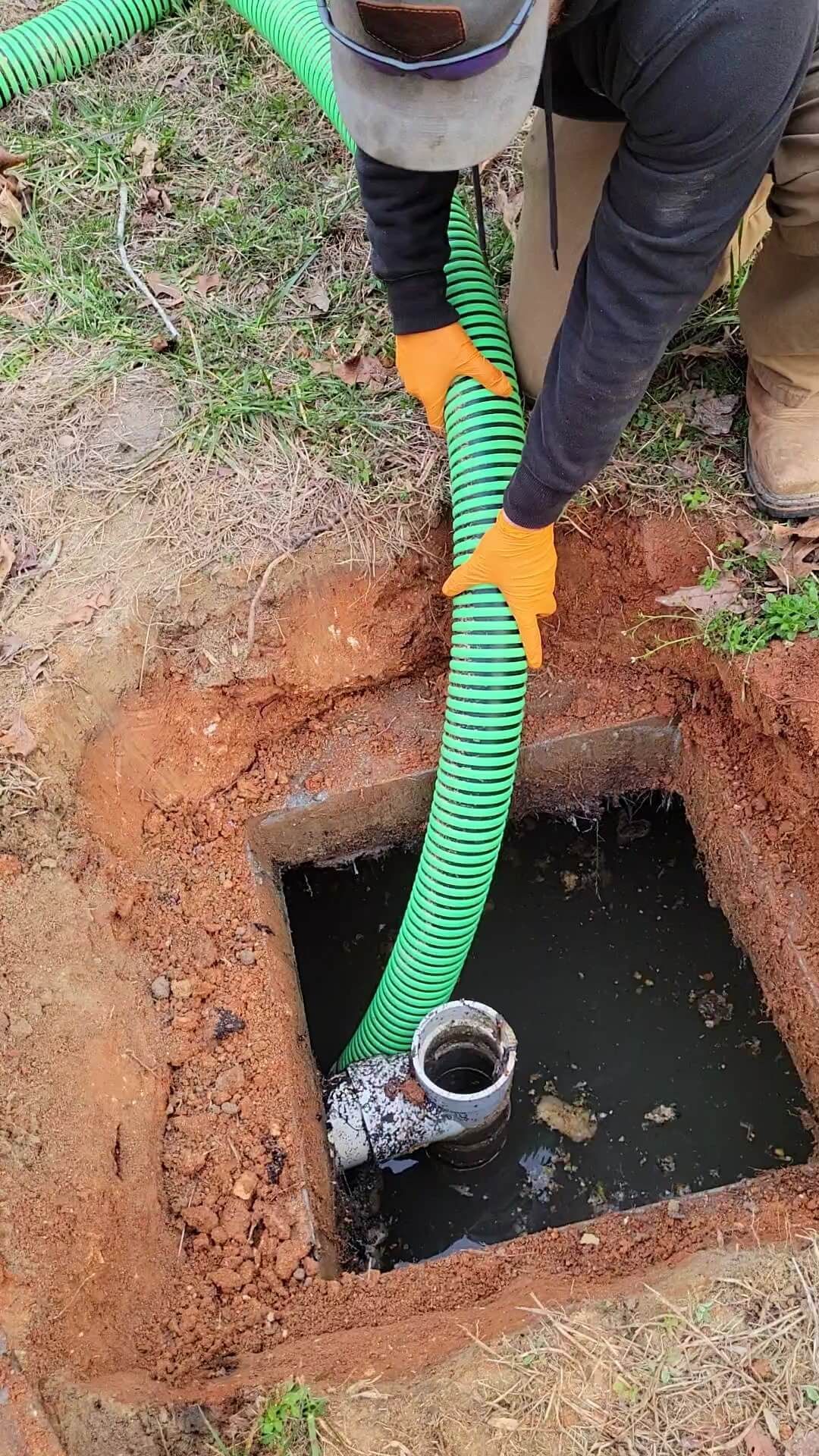
Over time, solid waste accumulates inside your septic tank. Without regular septic tank pumping, excessive buildup can increase the risk of solids entering the drainfield and causing costly problems.
The U.S. Environmental Protection Agency recommends having typical household septic systems inspected at least every three years and septic tanks pumped approximately every three to five years, depending on household size, water usage, and tank capacity.
2. Be Mindful of What Goes Down Your Drains
Your septic system is designed to process household wastewater, not grease, wipes, chemicals, or other materials that can interfere with treatment.
Avoid flushing disposable wipes, paper towels, feminine hygiene products, and other non-biodegradable items. Cooking grease and harsh chemicals should also be kept out of household drains whenever possible.
3. Reduce Excessive Water Usage
Excessive water entering a septic system can overwhelm its treatment capacity and interfere with proper wastewater processing.
Repair leaking faucets and toilets, spread laundry loads throughout the week, and consider installing water-efficient fixtures to reduce unnecessary strain on your system.
4. Protect Your Septic Drainfield
Your drainfield is an essential part of your septic system and should be protected from unnecessary damage.
Avoid parking vehicles, placing heavy equipment, or constructing structures over the drainfield. Keep trees and deep-rooted vegetation away from septic components, and direct roof and surface drainage away from the treatment area.
5. Address Septic Warning Signs Early
Slow drains, persistent odors, sewage backups, and unusually wet areas of your yard may indicate developing septic problems.
Rather than waiting for a complete system failure, contact a septic professional when these warning signs appear. Early diagnosis may help identify repairable issues before additional damage occurs.
6. Keep Accurate Septic Maintenance Records
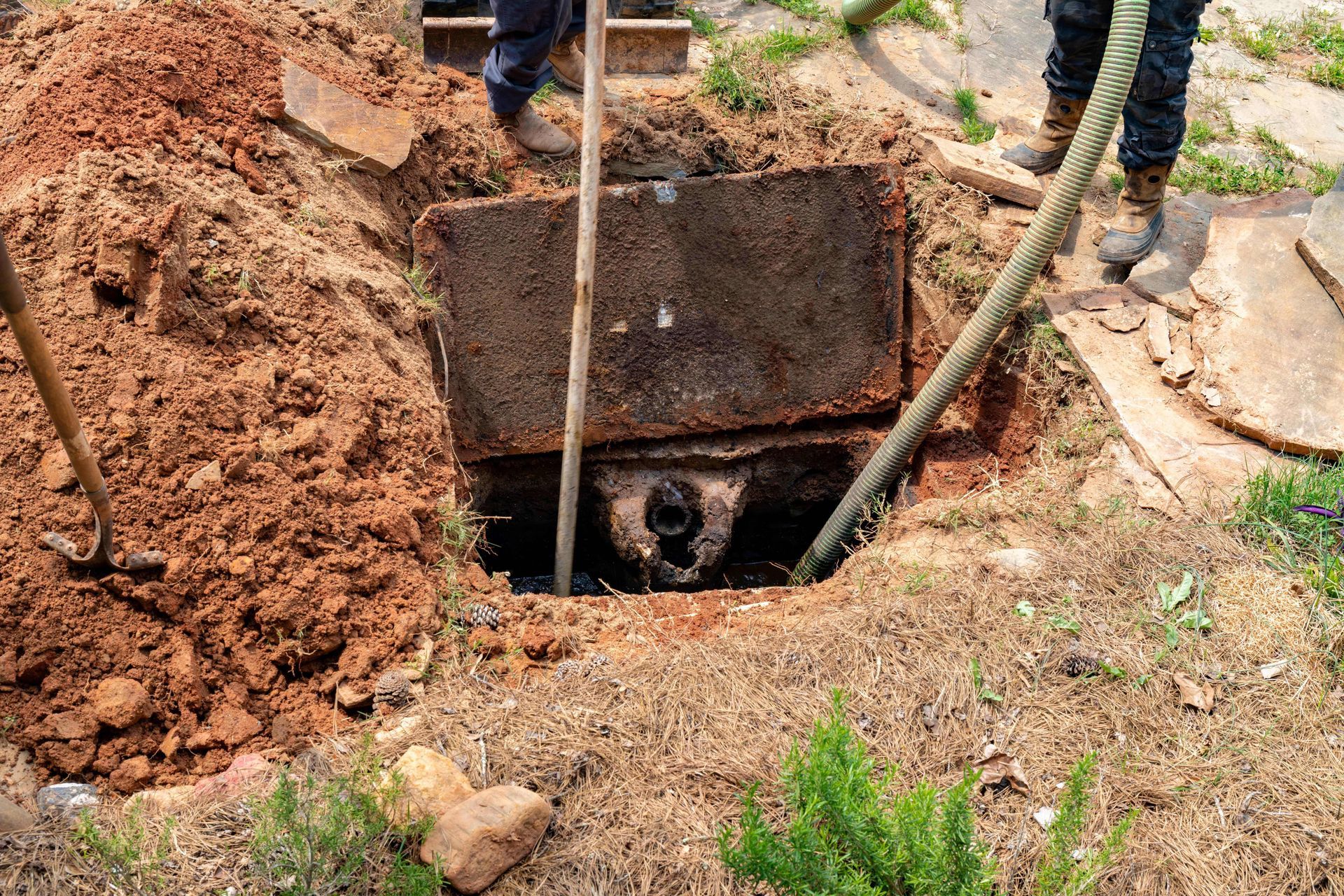
Maintain records of septic pumping, inspections, repairs, and system modifications. Knowing when your tank was last serviced and what work has been performed can help professionals evaluate recurring problems.
These records can also be valuable when selling your home, planning renovations, or determining future maintenance needs.
Preventative Maintenance Is An Investment In Your property
Routine septic care may seem like another household expense, but neglecting maintenance can lead to significantly more costly problems.
Protecting your septic system today can help reduce the risk of major repairs or replacement tomorrow.
Frequently Asked Questions About Septic Tank Repair and Replacement
1. Is it cheaper to repair or replace a septic tank?
Septic tank repairs are generally less expensive than replacement, particularly when the problem involves an isolated component such as a pipe, baffle, or connection. However, extensive structural damage or repeated failures may make replacement more cost-effective over time. A professional evaluation can help determine which option makes the most financial sense.
2. How do I know if my septic tank needs to be replaced?
Warning signs may include recurring sewage backups, persistent odors, unusually wet areas around the septic system, or significant tank deterioration. However, these symptoms don't automatically mean replacement is necessary. Some problems can be corrected through maintenance or targeted repairs, so identifying the underlying cause is essential.
3. How long does a septic system typically last?
A septic system's lifespan depends on its design, construction materials, soil conditions, household water usage, and maintenance history. Concrete septic tanks can sometimes last several decades, while pumps, electrical components, and drainfields may have different service lives. Regular inspections and maintenance can help identify problems before they become more serious.
4. Can a failed septic drainfield be repaired?
Some drainfield problems may be associated with repairable issues such as damaged distribution components, excessive water entering the system, or other identifiable deficiencies. However, a drainfield that can no longer adequately treat and disperse wastewater may require replacement or an alternative treatment solution. A professional assessment is necessary to determine the appropriate approach.
5. Do I need a permit to replace my septic system in Virginia?
Septic system replacement and certain modifications generally require permits or approvals through the appropriate Virginia health authorities. Requirements depend on the type of work, system design, and property conditions. Homeowners should confirm applicable requirements with their local health department before beginning major septic work.
6. Should I repair my septic system before selling my house?
If your septic system has known problems, addressing them before listing your property may help reduce complications during the sale. A septic inspection can help identify existing concerns and clarify whether maintenance, repairs, or replacement may be appropriate. Disclosure obligations and transaction requirements vary, so homeowners should also consult their real estate professional about their specific situation.
Septic Tank Repair or Replacement? Make the Right Decision for Your Property
Deciding whether to repair or replace your septic system can feel overwhelming, especially when you're dealing with recurring backups, drainage problems, or unexpected repair expenses.
The good news is that not every septic issue requires a complete system replacement. Some problems can be resolved through targeted repairs or routine maintenance, while more extensive damage may call for replacing major components.
The key is understanding what's causing the problem before making an expensive decision.
At RVA Site Services, we help homeowners throughout Richmond, Chesterfield, Midlothian, and Central Virginia explore their septic repair, inspection, and replacement options.
Whether you're experiencing warning signs or concerned about an aging system, our team is ready to help you determine the next steps.
Get Professional Septic Help in Richmond, VA


